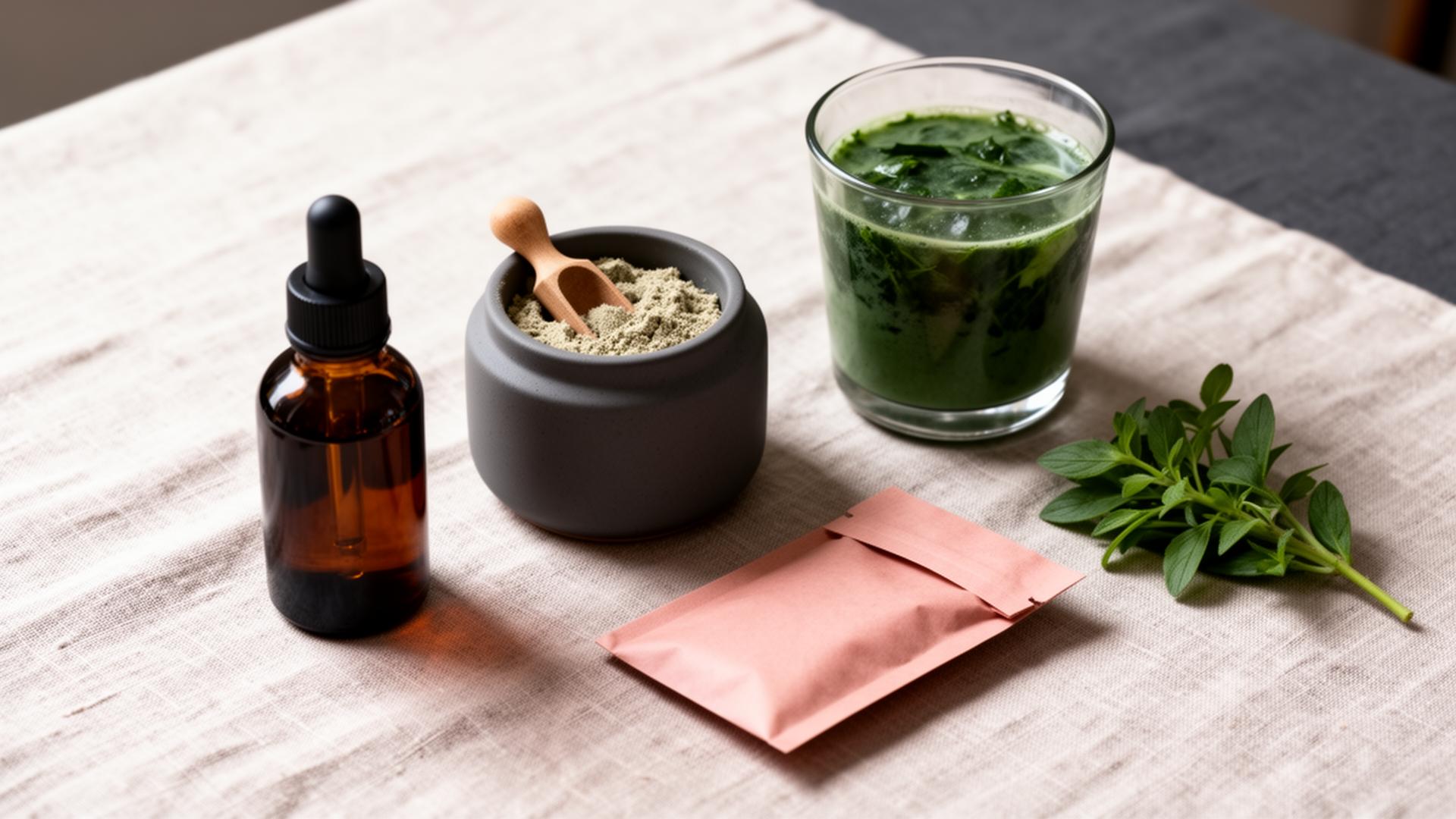
Most "trending wellness products" lists are either repackaged press releases or affiliate funnels. This one is built from Codex's own demand-side data: what clients ask for in intake, what coaches recommend after assessments, and which categories independent practitioners keep submitting for inclusion in our directory. It's not exhaustive, but it's honest.
1. Functional collagen — past the powder phase
Collagen demand is no longer about powders dumped into coffee. The shift is toward bioactive, low-dose, high-bioavailability formats — gels, jellies, and peptide-specific blends targeting skin, joint or gut endpoints. The peer-reviewed evidence for skin elasticity at 2.5–10g/day is now reasonably solid (see Choi et al., 2019 and the König meta-analysis, 2022).
On Codex, this shows up as steady demand for both classic collagen powder and the newer bioactive collagen gel format.
2. Digestive enzymes for non-clinical users
A category traditionally aimed at people with diagnosed insufficiencies is now being adopted by general consumers experimenting with bloating, post-meal fatigue and intolerance management. The science here is genuinely mixed — see Ianiro et al., 2016 — but consumer pull is real. Look for products that disclose enzyme units (e.g. lipase FIP, protease HUT) rather than just milligrams; opaque "proprietary blends" rarely deliver clinically relevant doses. Pro Enzymes is one of the more transparent SKUs we've reviewed.
3. Short-protocol detox kits — handle with care
Three-to-seven day reset kits are the fastest-growing sub-segment in the supplements aisle, and also the one with the weakest evidence base. The NIH ODS position is unambiguous: most "detox" claims are unsupported. The honest version of this category is structured short-term elimination protocols with clear inclusion/exclusion criteria — closer to a 3 Day Detox used under coach supervision than an Instagram cleanse. If a brand promises liver "flushing", walk away.
4. Ceremonial-grade matcha — the post-coffee category
L-theanine + caffeine synergy is well-documented (Owen et al., 2008) and ceremonial-grade matcha at 1–2g per serving delivers a cleaner stimulant profile than espresso for a sizeable subset of users. The growth is real but quality variance is enormous; first-harvest stone-ground from Uji or Nishio is a different product from culinary grade dyed green powder.
5. Recovery-led fitness gear
Yoga and recovery accessories — premium mats, foam rollers, percussion devices — keep growing as the at-home recovery stack matures. See our take on the TranquilSpirit eco yoga mat for the spec checklist we use when reviewing this category (closed-cell vs open-cell, weight, cradle/grip, NBR vs TPE vs natural rubber).
6. Sleep stacks over single ingredients
Single-ingredient melatonin is in slow decline. The growth is in multi-component sleep architectures — magnesium glycinate or threonate, glycine, l-theanine, apigenin — paired with behavioural protocols. The behavioural piece matters more than most brands admit; coaching-led programmes like Holistic Sleep Therapy outperform supplement-only approaches in our intake follow-ups.
7. Personalised assessment as the entry point
The fastest-growing "product" on Codex isn't a SKU — it's the Wellness Assessment. Clients increasingly want a baseline before they buy supplements, programmes or coaching. This mirrors the McKinsey 2024 Future of Wellness finding that personalisation is now the #1 driver of wellness purchase intent.
What we're deliberately not including
- NAD+ IV drips (evidence outside specific clinical contexts is thin)
- Most "longevity" multi-pill stacks priced above EUR 200/month
- AI "wearable coaches" without a human coach in the loop
How this list is built
We don't accept payment for inclusion. Brands and practitioners can submit through the coach and studio onboarding flows; products are added through our editorial review process and re-reviewed quarterly.