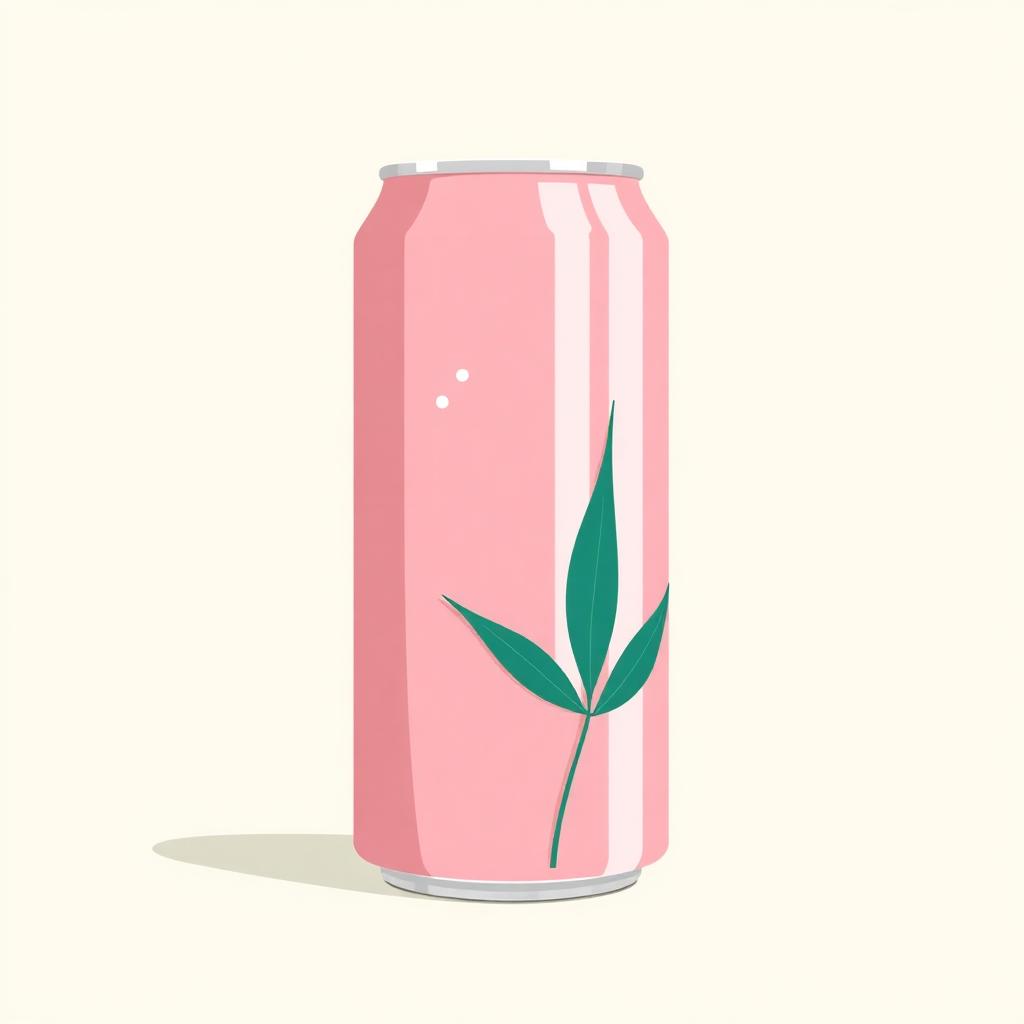
You know the can. Pastel gradient, dreamy serif type, a butterfly or a flower curling around the word "Recess". It is the can people post on their kitchen counter at 4pm to signal that they are taking a break, regulating their nervous system, drinking something "functional" instead of pouring a wine.
Recess sells a story before it sells a drink. The story is: hemp-derived CBD plus adaptogens plus sparkling water equals a calmer afternoon. The price is roughly $3 to $4 per 12oz can. The aesthetic is unbeatable.
The product, when you do the maths on the label, is functionally a fancy fizzy water with a placebo budget. Here is why.
The CBD dose is too small to matter
A Recess can contains 10mg of broad-spectrum hemp CBD. The clinical literature on CBD for anxiety, sleep, or stress response uses doses in the 25–600mg range, with most signal in human trials appearing somewhere above 25–50mg per dose. A 2019 study in The Permanente Journal on CBD and anxiety used 25mg/day as a starting dose and titrated up.
10mg is below the threshold where most studies see measurable effect. You are paying a $3 premium per can for a sub-therapeutic dose of an otherwise legitimate compound. If CBD works for you, you would need three or four cans to get into the dose range that has actual data behind it — which is $12 for the equivalent of one cheap CBD oil dropper.
Recess contains 10mg of CBD. Clinical trials on CBD for anxiety start at 25mg and go up to 600. You are paying $3 per can for a sub-therapeutic dose.
The "adaptogens" are pixie dust
The other half of the marketing is the adaptogen blend — usually some combination of L-theanine, ginseng, ashwagandha, or schisandra. The labels are vague about the actual milligrams.
For reference: L-theanine has reasonable evidence for calming alpha-wave activity at 100–200mg. Ashwagandha needs 300–600mg of a standardised extract (KSM-66 or Sensoril) to do anything for cortisol. The total "adaptogen blend" in a can of Recess is usually somewhere in the 40–80mg range — split across several ingredients. That is a homeopathic dose.
This is the standard wellness-drink playbook: list the ingredients, omit the doses, charge a premium, hope nobody checks. Most people do not check.
What you are actually paying for
You are paying for the ritual. The can is genuinely beautiful. The act of opening it at 4pm — instead of doom-scrolling, instead of a third coffee, instead of starting on wine an hour early — is a real behavioural intervention. The placebo response on a beautifully designed drink is not nothing.
But you can get the ritual for £1.50 with a tin of San Pellegrino and a slice of lemon. The CBD and the adaptogens are not doing the work. The five-minute pause and the cold fizzy thing in your hand are doing the work.
You can buy the ritual for £1.50 with sparkling water and a lemon. The CBD and adaptogens in a Recess can are mostly there to justify the price.
What actually helps a sympathetic afternoon
If your 4pm crash is real — irritable, wired-tired, can't focus, can't relax — three things move the needle more than any seltzer:
- A 10-minute walk outside. Sunlight on the retina at 4pm helps stabilise the next sleep cycle. This is not woo. This is the strongest non-pharmacological intervention we have for circadian regulation.
- An actual L-theanine dose. 200mg of L-theanine sublingually or in a tea is roughly the cost of pennies per dose. It is the single ingredient in Recess that has the most evidence — and Recess underdoses it by 80%.
- Magnesium glycinate in the evening. Different mechanism (NMDA modulation, GABAergic tone), but if afternoon anxiety bleeds into bedtime racing thoughts, this is the unsexy fix that actually works.
For the longer essay on why beautifully designed wellness products are so seductive when our nervous systems are dysregulated — and what it actually takes to come down from sympathetic activation — we wrote it on Kokorology. The Codex coaches who specialise in nervous-system work also live in the shop alongside the alternatives below.
The verdict
Break up with it. Recess is a beautifully designed beverage with a sub-therapeutic dose of CBD and decorative levels of adaptogens. The ritual is real; the chemistry is not. If you want the ritual, buy sparkling water and a lemon. If you want the CBD, buy a 1000mg tincture and dose properly. If you want adaptogens, dose them properly. Do not pay $4 a can for marketing.
- Potency
- Weak. 10mg broad-spectrum CBD is at the low end of any psychoactive threshold. The 'adaptogens' are in mouse-trial doses.
- Bioavailability
- Weak. Oral CBD has ~6% bioavailability without a fat carrier. A 10mg can effectively delivers under 1mg.
- Marketing vs hype vs reality
- Poor. 'Calm in a can' framing for a sub-clinical CBD dose.
- Sustainability
- Weak. Single-use aluminium, refrigerated, cross-border shipping.
- Ethics
- Mixed. CBD sourcing is reasonable. The functional claim is the issue.
- Verdict
- The prettiest can in your fridge does almost nothing.