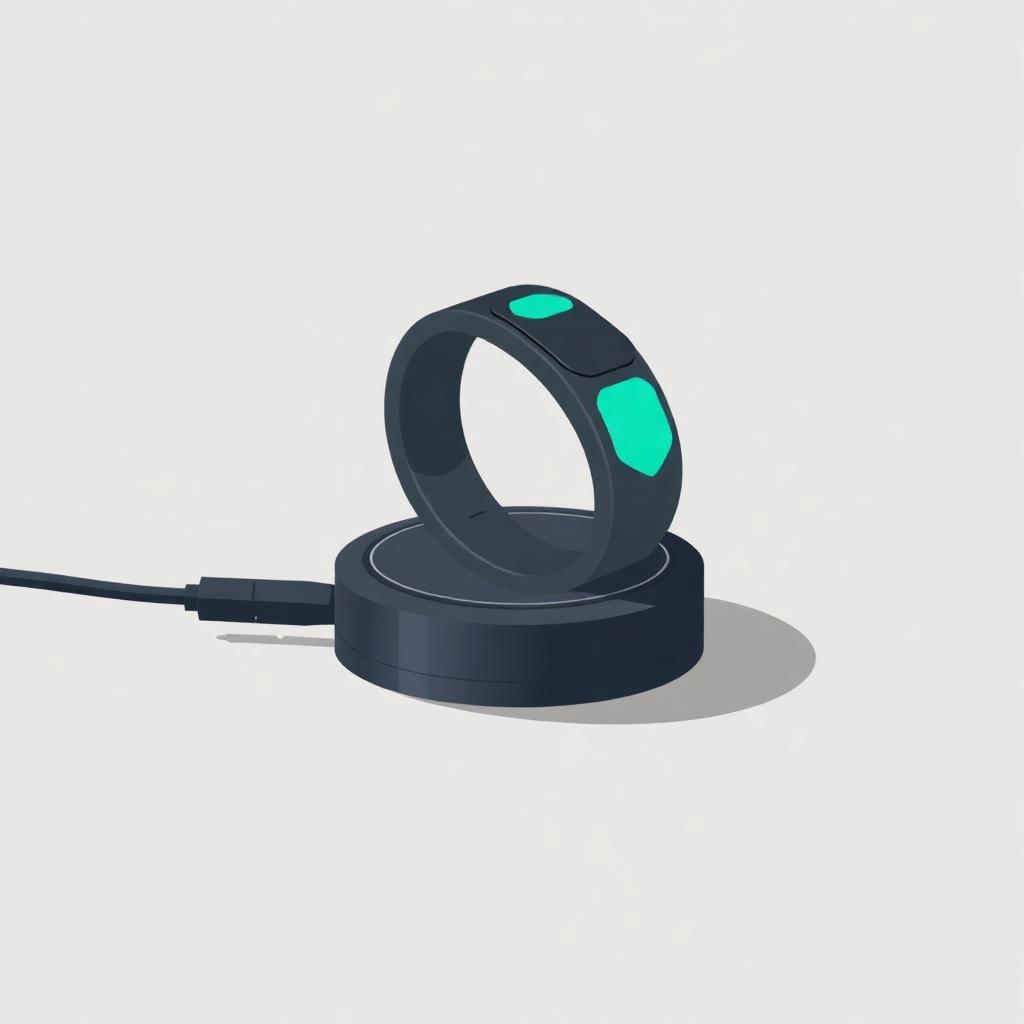
The Oura Ring is the wearable that won the argument by being the least annoying one. No screen, no buzzing, no notifications. A titanium band that weighs four grams, charges once a week, and quietly logs the metrics that actually matter for recovery: heart-rate variability, resting heart rate, skin temperature deviation, and sleep stages.
And — crucially — the data is good enough to act on.
What the validation studies show
Oura has been put through more independent validation than any other consumer wearable. Sleep-stage accuracy lands at 79% versus polysomnography (the gold standard), which is the best of any consumer device. HRV correlates strongly with chest-strap ECGs. Resting heart rate is within 1 bpm of medical-grade pulse oximetry.
The ring wins the wearable category by being the only one you actually wear every night.
These are not perfect numbers. They are the best numbers in the category. And the form factor is what makes the data useful — you wear the ring while you sleep because it is a ring, not a watch trying to be a fashion statement.
What it changes about your behaviour
Almost everything Oura does is observational, not interventional. The "Readiness" score is the daily compression of your last 24 hours of HRV, RHR, sleep, and temperature into one number. When that number is low, you slow down. When it is high, you push.
That is the whole product. And after six months, most users report the same effect: they go to bed earlier, drink less, and pay attention to recovery in a way they did not before.
The subscription
This is the one mark against. The €6/month membership unlocks most of the insights — without it, you get raw scores and not much more. The hardware itself is €350-€500 depending on finish. For a device you wear nightly for years, the all-in cost is reasonable. The subscription model on top of premium hardware is the annoyance.
Who it is not for
If you are looking for a workout tracker, get a Garmin or a Whoop. Oura is recovery-first. The activity tracking is fine, not great.
The verdict
The only wearable that has moved real behaviour for the people who buy it. The data is real. The form factor is the unlock. The subscription is what to grumble about.
- Potency
- Strong. HRV, resting heart rate, temperature deviation, and sleep stages — validated against PSG within consumer-device tolerances.
- Bioavailability
- Strong. Continuous wear is the dose. Ring form factor wins the adherence game.
- Marketing vs hype vs reality
- Solid. The science page links real studies. Subscription is the ongoing annoyance, not the data.
- Sustainability
- Mixed. Single-device lifecycle ~3 years. Battery is sealed. Recyclable through manufacturer.
- Ethics
- Solid. Privacy controls are unusually strong. Subscription model is the one mark against.
- Verdict
- The wearable that actually changes behaviour without ruining your wrist.