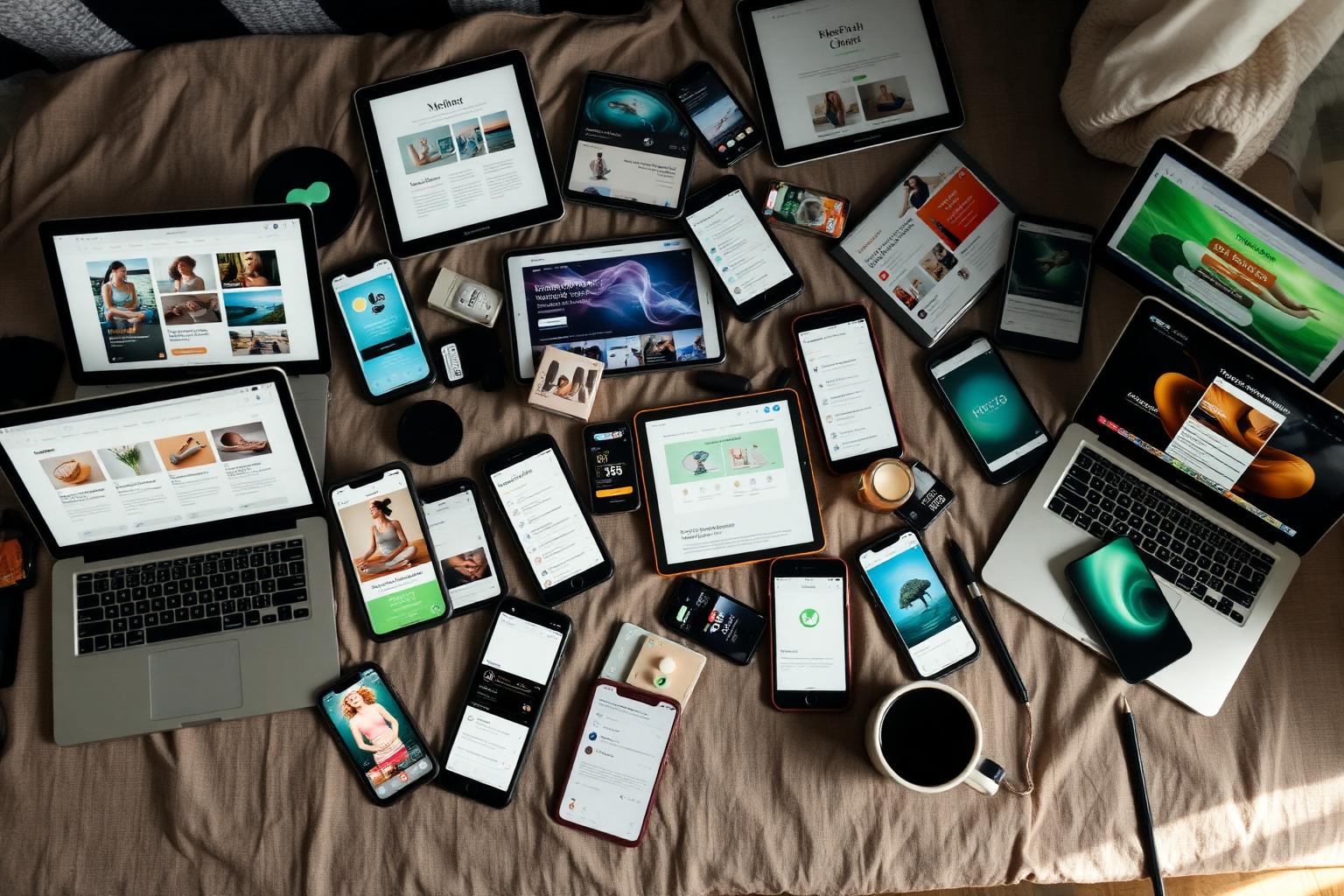
Talk to any honest practitioner about how their week actually runs and the conversation will, within ten minutes, become a list of software.
Mindbody for booking. Stripe for payments. Square for the in-person card reader. Mailchimp for the newsletter. Instagram for the "marketing". A separate WhatsApp group for the regulars. Google Sheets for the rota. QuickBooks for the books. Calendly for the discovery calls. A laminated paper agenda, because none of the above syncs properly. And one app per insurer, if they take insurance at all.
The average independent wellness practitioner in Europe in 2026 runs a tiny software company on the side of their actual job. They didn't sign up for that. Almost none of them are good at it. None of them got into wellness to do it.
Almost no one became a yoga teacher to learn QuickBooks. They are doing it anyway, badly, and it is eating their margin.
The hidden tax on the people doing the work
Add it up: 6 to 9 SaaS subscriptions, each charging €15–€60 a month, plus per-transaction fees of 2–4%, plus the time tax of switching between them. A reasonable mid-size studio loses 8–12% of gross revenue to its own software stack — more than rent in some cities. A solo practitioner running on Instagram + Calendly + a Squarespace site loses something subtler: every time the algorithm changes, a year of audience-building goes to zero, and they have to start again.
This is not a technology problem. It is a coordination problem. There is no shared home for wellness practitioners, so each one is forced to assemble their own. The cost of assembling that home — in money, time, and opportunity — is the largest invisible cost in the industry. It does not show up in any report, because it is borne by people who don't have the time to write reports.
What a shared home should do for them
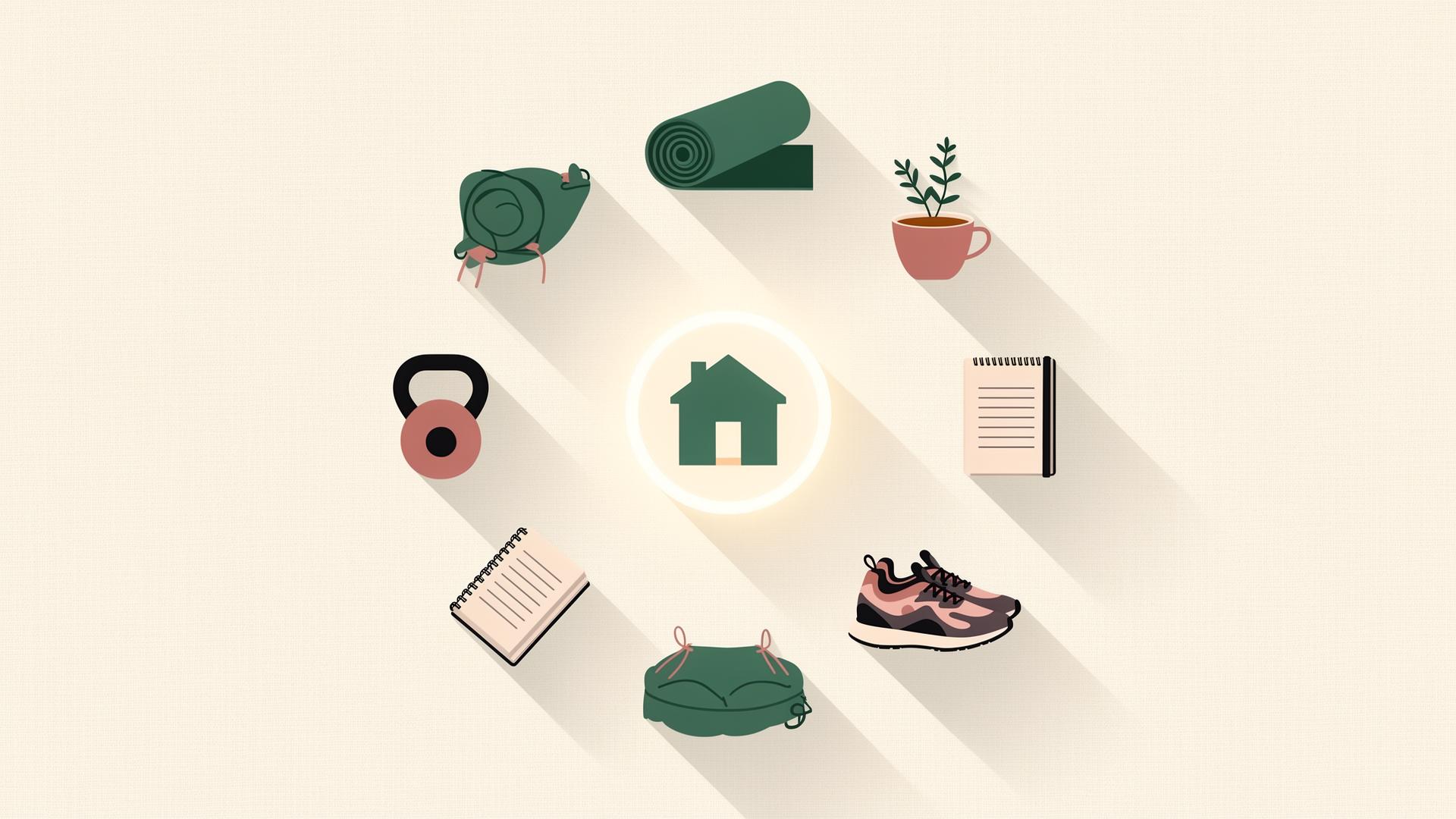
A real shared home for practitioners — the kind hotels have in Booking, restaurants have in TheFork, freelancers have in Upwork — does five jobs:
1. One profile, owned by the practitioner. Credentials, training, specialities, languages, photos, reviews, prices. Verified once, displayed everywhere. Portable when the platform changes. The practitioner's own page, not a rented Instagram tile.
2. A booking system that doesn't take 4%. Modern processing fees are well under 2%. Anything above that is rent. A neutral home keeps the platform fee small, transparent, and tied to actual work done — discovery, dispute handling, payment infrastructure — not "engagement features".
3. Discovery that is earned, not bought. Practitioners who do excellent, unglamorous work should be findable by clients in their city without having to become content creators. The job of a marketplace is to do the matching that the practitioner shouldn't have to do alone. A platform whose algorithm primarily rewards posting frequency is a content platform, not a marketplace.
4. A neutral reviews trail. Real, verified reviews from real, verified clients. Not curated. Not buyable. Not deletable for fee. The reason "trust" is broken in wellness is precisely that every existing review system is gameable; the fix is procedural, not aesthetic.
5. Tools that actually fit the job. Intake forms that respect medical-grade privacy. Rescheduling that doesn't make the client feel like they're inconveniencing the practitioner. Group bookings, packages, sliding-scale pricing, waitlists. Boring, specific, designed by people who have actually run a studio.
The job of a marketplace is to do the matching the practitioner shouldn''t have to do alone.
What it must not do
A shared home for practitioners has to refuse a few tempting things, or it stops being neutral.
It must not run its own house brand of supplements, courses, or "premium memberships" that compete with the practitioners on it. The minute the platform is also a vendor, it has a quiet incentive to deprioritise the people whose lunch it is eating.
It must not push paid placement above relevance. A practitioner who is genuinely the best fit for a client in their city should rank above a practitioner who is paying more, full stop. Sponsored slots are fine if they are clearly labelled and capped; ranking-for-pay is the death of trust.
It must not lock the practitioner in. The data — clients, reviews, history — has to be exportable. Without that, every "neutral" platform eventually becomes the next thing the practitioner is trying to leave.
Why this matters past the practitioner
Practitioner experience is not just a vendor problem; it is a public-health problem in slow motion. The careful, evidence-led, unglamorous practitioners — the physiotherapists who actually read the journals, the nutritionists who don't sell powders, the therapists who don't have a podcast — are exactly the ones least equipped to "win" on Instagram. Every year that wellness stays fragmented is another year the loudest people get the clients and the most careful people get burnt out.
A shared home tilts that. If the platform's job is to make discovery fair and verification real, the careful practitioners stop losing to the loud ones. The clients get better outcomes. The industry's median quality goes up. None of this is mysterious; it's just what every other consolidated marketplace eventually does to its category, when it's run by people who care.
Every year wellness stays fragmented is another year the loudest practitioners win and the most careful ones burn out.
The boring promise
There is no glamorous version of this. A shared home for wellness practitioners is, in the end, a piece of public-utility infrastructure. It looks more like a payments rail or a postal service than like a "wellness app". It is supposed to be slightly boring, deeply reliable, and quietly the place every serious practitioner ends up.
The promise to the practitioner is simple: one profile, one calendar, one payment rail, one place clients can find you, one place you can find your peers. The platform takes a small, transparent cut for the work it actually does. It does not own you. It does not compete with you. It does not change the rules every quarter to inflate engagement metrics.
That is the product. It is overdue. The people doing the actual work of wellness deserve infrastructure built for them, not nine subscriptions and a prayer that the algorithm doesn't change again next month.