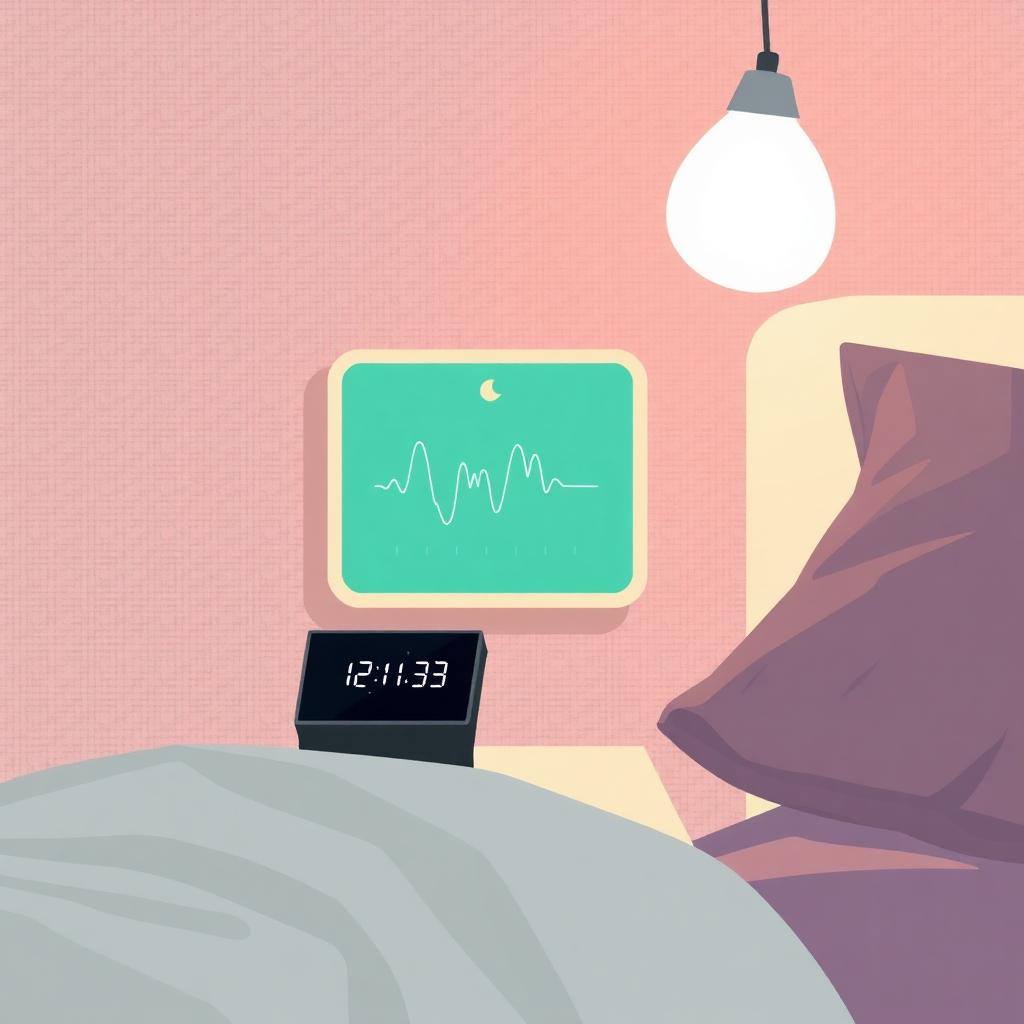
The 2nd-generation Google Nest Hub has a Soli radar chip the size of a fingernail that can detect breathing and movement from the bedside table. It does not need to be on your body. It does not need to be on your bed. It just sits there, looks at you, and tracks your sleep. The fact that it works at all is a small engineering miracle.
A bedside smart display with the most underrated sleep tracker on the market hidden inside it.
What Soli radar actually does
60 GHz radar bounces off your chest wall and measures breathing rate and gross body movement at sub-millimetre resolution. From those two signals Google derives sleep stages with accuracy that benchmarks within a few percentage points of wrist wearables. The Sleep Sensing feature is opt-in, on-device, and free for the life of the device (Google extended free access indefinitely after initially planning to paywall it).
What it does well
Compliance is even easier than the Withings — there is literally nothing to install or set up beyond pointing the device at the bed. Audio sleep events (snoring, coughing) are flagged with timestamps, which is genuinely useful for identifying disrupted nights. The data integrates with Fitbit and Google Fit, and morning routines (slow brightness ramp, weather, calendar) are actually pleasant ways to wake up.
Where it stumbles
Tracks only the closest person to the display, so partners aren't separated. No HRV, no body temperature, no SpO2 — radar sees what radar sees. The device is a smart display first, sleep tracker second, so you're paying for a screen and speaker you may not need. Google's history with discontinuing products in this category (Nest Secure, Onhub, the original Hub Max) is worth factoring in.
Soli radar shouldn't work this well as a sleep tracker. The fact that it does — for free, with nothing on your body — is the most surprising entry on this list.
Sustainability and ethics
Mains-powered, no battery, modest energy footprint. Camera-free (Sleep Sensing uses only radar, not vision), which is a deliberate privacy choice and the right one. Data lives in Google's ecosystem, which is the standard big-tech tradeoff — opt-outs exist and on-device processing is genuine for the sleep signal.
Who this is actually for
People who want a bedside smart display anyway and would treat sleep tracking as a free bonus. Anyone who has tried wrist or ring wearables and given up on compliance. Households where the partner refuses to wear anything.
- Potency
- Solid. Radar-derived sleep staging is accurate enough for behavioural insight.
- Bioavailability
- Strong. Zero setup, zero compliance friction, free for life.
- Marketing vs hype vs reality
- Solid. Google was conservative about the claims and made Sleep Sensing free rather than paywalling it.
- Sustainability
- Mixed. Always-on appliance, modest energy use; Google's product-killing history is a real risk.
- Ethics
- Mixed. Camera-free is a strong privacy choice; the rest of the Google data stack is the usual big-tech bargain.
- Verdict
- Worth it if you wanted a bedside smart display anyway. Don't buy it purely for the sleep tracking — Withings is the better single-purpose device.