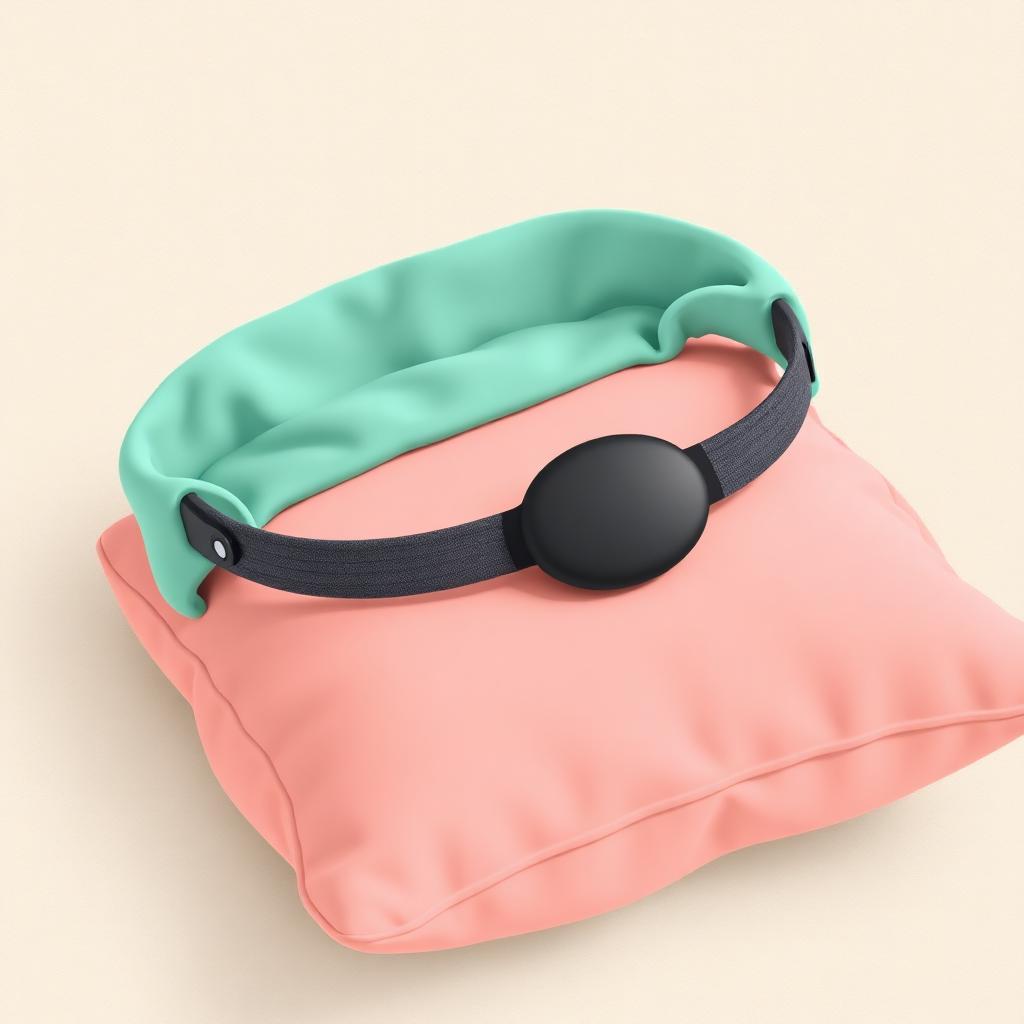
The Muse S Athena is a soft fabric headband with four EEG electrodes that read the electrical activity of your prefrontal cortex. During meditation it plays rain sounds: louder when your mind is wandering, quieter when it settles. During sleep it tracks brainwave patterns and gives you a deeper read on slow-wave architecture than any wrist or finger device on the market.
Wrist wearables guess at sleep stages from heart rate. The Muse S Athena reads them directly. That difference is bigger than it sounds.
What EEG buys you that other sensors can't
Sleep staging on Oura, Apple, Whoop, Garmin and Samsung is all derived from movement, heart rate variability and breathing rate. It's good — usually within 80-90% of clinical polysomnography — but it's a guess. EEG measures the actual electrical activity that defines the stages. The Muse S Athena is the only consumer device that does this in a wearable form factor. For people who specifically care about slow-wave depth, this is the most accurate consumer data you can get.
The meditation feedback loop
Most people give up on meditation because they can't tell whether they're doing it right. Muse's audio feedback turns that into a real-time signal: settling thoughts equals quieter rain. After two weeks the brain starts associating quiet with a felt sense of settling, and meditation outside the device becomes easier. Multiple independent studies on the earlier Muse models showed measurable improvements in self-reported anxiety and cortisol after 8-week protocols.
Where it stumbles
Charging the headband nightly is annoying. Sleep wear takes some getting used to — the sensors need direct skin contact across your forehead. The app pushes nudges toward Muse's content library, which is competent but not why you bought the device. And the EEG sleep data, while accurate, is hard to act on — you can't really train deep sleep the way you can train HRV.
The only consumer wearable that measures sleep stages directly instead of inferring them from heart rate. For meditation, the audio feedback rewires the practice.
Sustainability and ethics
Small physical footprint, fabric headband is washable, sensors last for years. Subscription model exists (Muse Premium) but the core functionality works without it. Interaxon (the company) is Canadian, independent, and unusually transparent about EEG validation — they publish raw signal data in their developer SDK.
Who this is actually for
People who have tried meditation apps and bounced off them. Anyone whose sleep tracking is plateauing and wants better data. Neurodivergent users who benefit from real-time biofeedback. Definitely not the casual buyer — this rewards consistent use.
- Potency
- Strong. Four-channel EEG is genuinely clinical-grade for a consumer device.
- Bioavailability
- Solid. Real-time biofeedback turns abstract data into a felt sense of progress.
- Marketing vs hype vs reality
- Solid. Claims line up with published validation, including third-party research.
- Sustainability
- Solid. Washable headband, small carbon footprint, long sensor life.
- Ethics
- Strong. Independent company, open SDK, conservative health claims.
- Verdict
- Worth it for committed meditators and serious sleep nerds. Skip if you want a casual wellness device — the value is in the daily practice.