Walk into any city with a real wellness scene — Lisbon, Dubai, London, New York — and the same pattern repeats. The best reformer studio is two streets off the main drag and ranks page three on Google. The most-recommended recovery coach in the city has eight hundred Instagram followers. The product that actually works for your sleep is sold by a six-person team that cannot outbid a venture-backed competitor on Meta.
Meanwhile the seekers — the people with real intent to train, recover, eat better, sleep better, find their people — default to whoever pays for the ad slot, whoever the algorithm pushes, or whichever brand a friend mentioned in passing. The match almost never happens on signal. It happens on noise.
That gap between qualified supply and motivated demand is what we call the discovery gap. It is the most under-discussed problem in wellness, and it is the reason Codex exists.
The supply of great wellness is enormous. The signal almost never reaches the people who need it.
Why "more wellness content" has made it worse
The instinct, in the last decade, was to flood the zone. More podcasts. More reels. More longform threads. The idea was that abundance would solve discovery — that if every coach, studio and product produced enough content, the right person would surface to the right seeker eventually.
The opposite happened. The volume of content made the act of choosing harder, not easier. A new seeker today does not lack information about magnesium, or zone two, or somatic therapy. They lack a trustworthy way of knowing which coach, in their city, with their schedule, is the right one. Content optimised for impressions does not answer that question. It cannot. The incentives are different.
What the existing layers actually optimise for
Look at the layers a normal person uses to find wellness today, and you can read the misalignment off the surface.
Marketplaces optimise for booking volume. Their ranking is downstream of how often a listing converts, not how good the practitioner is. The studio that is technically excellent but quietly booked out is invisible compared to the one that runs a constant promotion.
Social platforms optimise for watch time. The reels-friendly coach with a strong jawline and a ring light wins. The introverted physio who has rehabilitated five hundred runners and writes once a month does not.
Search engines reward the loudest SEO. The seven-figure DTC supplement brand will outrank the small herbalist on every query that matters, regardless of formulation quality.
None of these layers were built around matched intelligence between a real person's context and a real practitioner's specialism. They were built to monetise attention or transactions. Matching is a side effect, not a goal.
None of the existing layers were built to match people on signal. Matching is a side effect, not a goal.
What closing the gap actually requires
Three things at once.
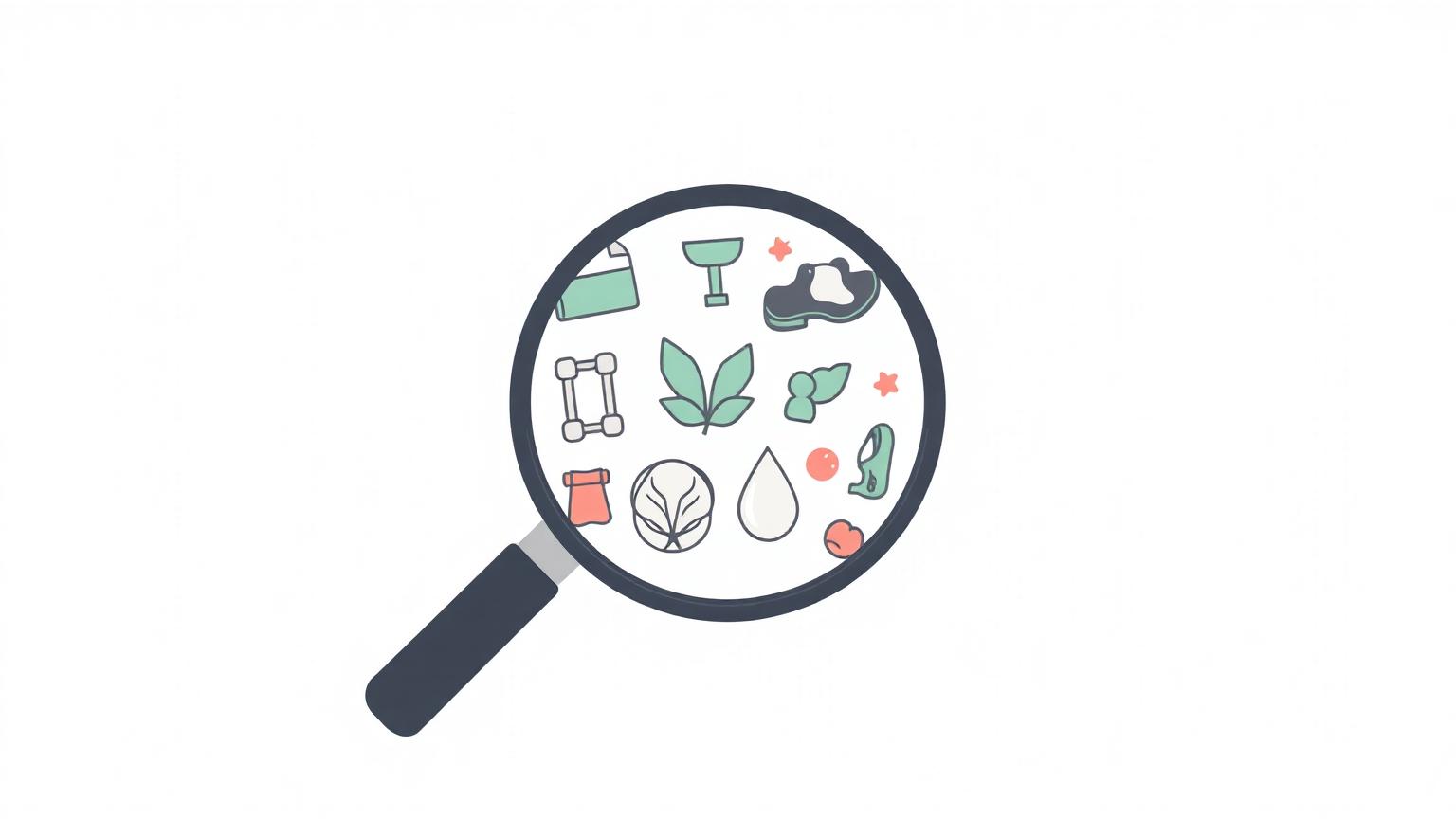
A curation layer that classifies the long tail by signal, not by ad spend. Most of the real wellness supply lives in the long tail — the independent coach with a niche specialism, the small studio with a methodology, the four-person product team. To matter, that long tail has to be crawled, classified and made comparable. Without curation, the seeker is back to vibes.
A matching layer that takes a real person's intake — goal, city, schedule, history, constraints — and finds the practitioners and products that fit. Not just "yoga teachers near me", but "post-natal pilates instructor in Chiado who works mornings and takes credit-based bookings". The matching has to be opinionated. It has to take a position on fit, not just relevance.
A trust layer so the seeker knows what they are looking at. On Codex every entity carries a tier — crawled, claimed, verified — and the seeker can see it. A crawled studio is real but unmanaged. A claimed coach has confirmed their own listing. A verified practitioner has gone through credential checks. The tier sets expectations honestly, instead of pretending every result is equally vouched for.
The Codex stack
That is the Codex stack. Five pillars — coaches, studios, products, media, events — one matching brain, one trust tier on every entity. The Circle sits on top for the city-level community layer. Credits, memberships and the blog feed back into the same matching signal, so the system learns from every booking, every save, every match it routes.
Codex is a curation and matching layer, not a booking funnel. The booking is the last step, not the product.
The bet is simple. The next decade of wellness will not be won by whoever produces the most content or runs the cheapest ads. It will be won by whoever closes the discovery gap — whoever takes a motivated seeker and a qualified practitioner and gets them into the same room with the lowest possible friction and the highest possible fit.
What we are publishing next
This essay is the opening edition of a six-part series. Over the next five editions we will publish the rest of the Codex framework one piece at a time:
Real wellness — why what you actually do every week matters more than what you scroll past. The wellness stack — how the parts of a real wellness life compose. Matched intelligence — what changes when recommendations are personal rather than generic. Wellness corridors — why some cities concentrate practice and what that means for the rest. Context and connection — why training in the same room beats training alone, and why discovery is fundamentally a community problem.
Each edition lands as a canonical page you can share, a newsletter edition you can subscribe to, and a blog post that links them together. If you have a counter-argument, a city where the gap looks different, or a practitioner who should be on Codex and is not — write to us. We read everything.
Frequently asked questions
What is the discovery gap in wellness?
The discovery gap is the gulf between the supply of qualified wellness practitioners, studios and products and the people actively looking for them. Most practitioners are invisible to search. Most seekers default to whoever pays for the ad slot. The match almost never happens on signal.
Why don't existing platforms solve this?
Marketplaces optimise for booking volume and ad revenue. Social platforms optimise for watch time. Search engines reward the loudest SEO. None of them are built around matched intelligence between a real person's context and a real practitioner's specialism.
How is Codex different?
Codex is a discovery and curation layer, not a booking funnel. We crawl the long tail of independent coaches, studios, products and events, classify them by signal, and match them to people based on intake, location, goal and context — before any commercial layer kicks in.
Is this only about coaches?
No. The discovery gap runs across five pillars: coaches, studios, products, media and events. A great recovery product or a niche reformer studio can be just as invisible as a great coach.