The internet is a firehose of information, and the wellness corner of it is a particularly high-pressure nozzle. Every day brings a deluge of studies, trend pieces, product announcements, and hot takes. To scroll through it all is to invite a particular kind of digital exhaustion. The promise was a world of knowledge at our fingertips; the reality is often just noise.
Our work at Codex involves a great deal of filtration. We spend our days sorting the signal from the static, whether we’re vetting a new line of supplements or assessing the credentials of a leadership coach. It’s part of the job. So, we thought we’d share our notes—a weekly log of the articles, papers, and reports that have caught our editorial team’s attention and sparked conversation.
What's happening
Welcome to our weekly dispatch from the front lines of wellness. This isn’t a simple list of links, but a curated look at the ideas shaping the industry right now, with our own context and commentary included. We’re reading the same news you are, but perhaps with a different lens—one focused on what these developments mean for practitioners, businesses, and discerning consumers alike.
This week, our reading list has a distinct through-line: maturation. The conversation is evolving from hype to substance. We're looking at a piece from TechCrunch on the next wave of wearables, which are finally moving beyond counting steps. An analysis in Bloomberg Businessweek digs into the tough economics of the boutique fitness world, asking hard questions about sustainability for both owners and coaches.
Elsewhere, we’re poring over a fascinating study in Nature Metabolism that challenges our fundamental beliefs about meal timing, suggesting when we eat could be as critical as what we eat. And finally, a provocative essay in Wired explores the ethical tightrope of AI in mental wellness, forcing a necessary conversation about the irreplaceable value of human connection. It's a diverse set, but one that paints a picture of an industry growing up.
Why it matters now
For years, wellness has been defined by rapid, often frenetic, growth. The Global Wellness Institute (GWI) valued the market at over five trillion dollars pre-pandemic and continues to track its expansion into nearly every corner of our lives. This explosive phase led to a gold rush mentality, where newness was often mistaken for value and bold claims outpaced scientific rigor. We’re now entering a necessary period of consolidation and refinement. Consumers are more sophisticated, demanding evidence and personalization over generic promises. Businesses are facing the realities of a crowded marketplace, where sustainable models, not just venture capital, are required for survival.
The themes in this week’s reading reflect this shift. The evolution of wearables from motivational gadgets to quasi-medical devices speaks to a demand for actionable, personalized health data. The scrutiny on boutique studio finances highlights the growing pains of a market segment that romanticized the 'passion project' model and now must confront the hard numbers. The deepening research into areas like chrononutrition shows a move toward a more nuanced, scientific understanding of health, while the debate around AI in therapy underscores the ethical reckoning that must accompany technological advancement. This isn't just about new products or trends; it's about the industry forging a more durable, trustworthy identity. You can track this evolution on our own /trends dashboard.
In a sector awash with noise, the real work is not discovery, but discernment. It’s about finding the signal that moves us forward.
The picks
The End of Steps: Wearables Get Serious (TechCrunch)
This piece argues that the first era of wearables is definitively over. The novelty of hitting 10,000 steps has worn off, and the market is demanding more. The author charts the pivot from broad motivational metrics to specific, passive biomarkers. It’s less about gamifying activity and more about providing a continuous, low-friction stream of data on things like Heart Rate Variability (HRV), body temperature fluctuations, sleep staging accuracy, and even non-invasive glucose monitoring. The article credits brands like Whoop and Oura for pioneering this shift but notes that the tech giants—Apple and Google—are rapidly integrating these features, turning niche data points into mainstream health metrics.
Our take is that this is a double-edged sword. More data is not inherently better data. An avalanche of metrics can create more anxiety than insight if not properly contextualized. The article touches on this, suggesting the next frontier isn’t just data collection, but intelligent interpretation. This is where the human element, like a qualified health coach, becomes more critical than ever—to translate raw numbers into a meaningful, personalized plan. The piece also raises questions about data privacy and the medicalization of everyday life. Still, it’s a compelling look at where the hardware is headed. For an overview of what our experts rate, check out our /product-reviews.
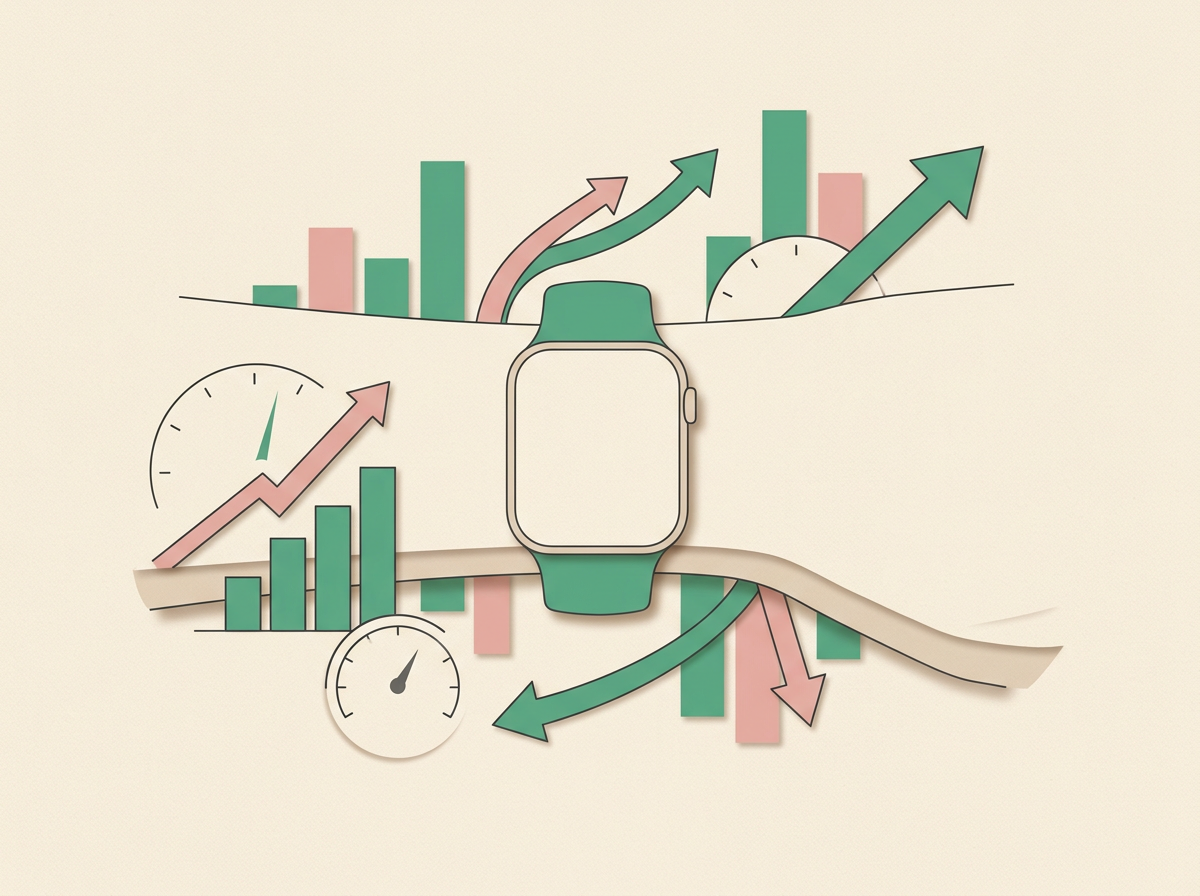
a sleek, minimalist wearable on a wrist
Group Therapy: Can Boutique Fitness Afford Its Coaches? (Bloomberg Businessweek)
An unflinching look at the financial model underpinning the boutique studio boom. Using anonymized data from studios in New York, London, and Los Angeles, the Bloomberg piece breaks down the razor-thin margins. It paints a picture of owners squeezed between skyrocketing commercial rents, the high cost of premium equipment (and its maintenance), and the downward pressure on pricing from aggregators like ClassPass. The central tension, however, is instructor pay. The article argues that the 'star instructor' is the primary value proposition, yet studios often struggle to compensate them in a way that provides a sustainable, long-term career path.
This resonates with what we see from our partners. Many talented coaches are forced into a gig-economy hustle, teaching at multiple studios to make ends meet, which can lead to burnout. The article suggests a few potential paths forward: models with more equitable profit-sharing, studios that diversify into digital offerings and corporate wellness, or a market correction that sees many smaller players fail. It's a sobering but essential read for anyone who loves their spin class or yoga studio, offering a glimpse behind the curtain of incense and good vibes. The data presented is particularly stark, showing how quickly a studio's revenue can be consumed by fixed costs.
Rewriting the Rulebook on Meal Timing (Nature Metabolism)
This isn't a light read, but for the science-inclined, it's a game-changer. It's a meta-analysis of recent studies on chrononutrition—the science of how our bodies' internal clocks (circadian rhythms) interact with nutrient intake. For decades, the nutritional mantra has been overwhelmingly focused on what and how much we eat. This research makes a compelling case that when we eat is an equally powerful lever for influencing metabolic health. The paper synthesizes findings that show eating in alignment with our natural circadian rhythm—typically a larger breakfast, a moderate lunch, and a smaller, earlier dinner—can improve insulin sensitivity, reduce inflammation, and support healthier weight management, even when total calorie intake remains the same.
The implications are significant. It challenges the 'calories-in, calories-out' model as being too simplistic and pushes for a more holistic view of metabolism. For the average person, this could mean that late-night eating isn't just about the extra calories; it's about the metabolic chaos of forcing your digestive system into high gear when it's biologically programmed to be winding down for repair and restoration. This is a field to watch closely. It’s a reminder that ancient wisdom—like the adage “Eat breakfast like a king, lunch like a prince, and dinner like a pauper”—often finds its validation in modern science.
The most advanced technology is still the one that understands context, nuance, and the complexity of the human condition.
The Ghost in the Machine: AI, Ethics, and the Future of Therapy (Wired)
A thoughtful and slightly unnerving essay on the precipice we stand on with AI in mental health. The author acknowledges the potential benefits: accessibility, affordability, and destigmatized entry points for those hesitant to see a human therapist. Apps using Large Language Models (LLMs) can offer 24/7 support, guided journaling, and CBT-based exercises. However, the piece pivots to the profound ethical risks. It questions the safety of models that can 'hallucinate' or provide harmful advice, the opacity of their training data, and the long-term psychological effects of forming emotional bonds with a non-sentient algorithm.
The central argument is that AI, in its current form, can mimic empathy but cannot possess it. It can pattern-match language but lacks lived experience, cultural context, and true understanding. The essay concludes that while AI may become a powerful tool for therapists (handling notes, suggesting resources), it is a dangerous replacement for them. It serves as a strong counter-narrative to the tech-utopian belief that all human problems can be solved with a better algorithm. For us, it reinforces the value of what we do: connecting people with vetted, professional, and emphatically human experts who offer real, not artificial, intelligence.
What this means for you
Reading the industry tea leaves is one thing; applying the insights is another. The trend toward advanced wearables means you have more personal health data than ever before. But data without interpretation is just noise. The next step is to discuss these findings—your sleep patterns, your HRV trends, your activity levels—with someone who can help you form a strategy. A great human coach can turn your data into a clear plan of action.
Likewise, understanding the economic pressures on your favorite fitness studio might shift your perspective from being a passive consumer to an active supporter of their business. And as the science of nutrition becomes more nuanced, it may be time to move beyond simple calorie counting. If you feel overwhelmed by the options and aren't sure whether to prioritize a new fitness routine, a nutritional overhaul, or mental health support, our zero-commitment /intake process is designed for exactly this kind of signal-sorting. It provides a single, personalized recommendation to get you started on the right path, whether that's with a studio, coach, or product from our curated /products marketplace.
Verdict
This week’s reads paint a picture of a wellness industry in a state of productive tension. It's caught between the promise of new technology and the timeless value of human expertise, between rapid growth and the search for sustainable business models. The signal in all this noise is clear: the future of wellness belongs to those who prioritize evidence, personalization, and the irreplaceable power of human connection.
FAQ
Are step counters and basic fitness trackers now obsolete?
Not entirely. They are still excellent motivational tools for encouraging basic daily activity. However, the industry is shifting toward devices that track more nuanced physiological data like HRV and sleep quality, offering deeper insights into recovery and overall health.
What is chrononutrition?
Chrononutrition is a field of science studying the interaction between nutrition and your body's internal 24-hour clocks, or circadian rhythms. The core idea is that the timing of your meals can impact your metabolism, hormonal regulation, and overall health, independent of what you eat.
Is AI therapy a safe alternative to a human therapist?
The consensus is that while AI can be a useful tool for guided journaling or accessing basic CBT exercises, it is not a safe replacement for a human therapist. Current AI lacks true understanding, empathy, and the ability to handle complex crises, posing significant ethical and safety risks.
My favorite studio seems expensive. Why are their profits so low?
Boutique studios face high fixed costs, including commercial rent, expensive equipment, software, and marketing. Their largest variable cost is often instructor payroll, and balancing fair pay with competitive class pricing leaves very thin profit margins for the owner.