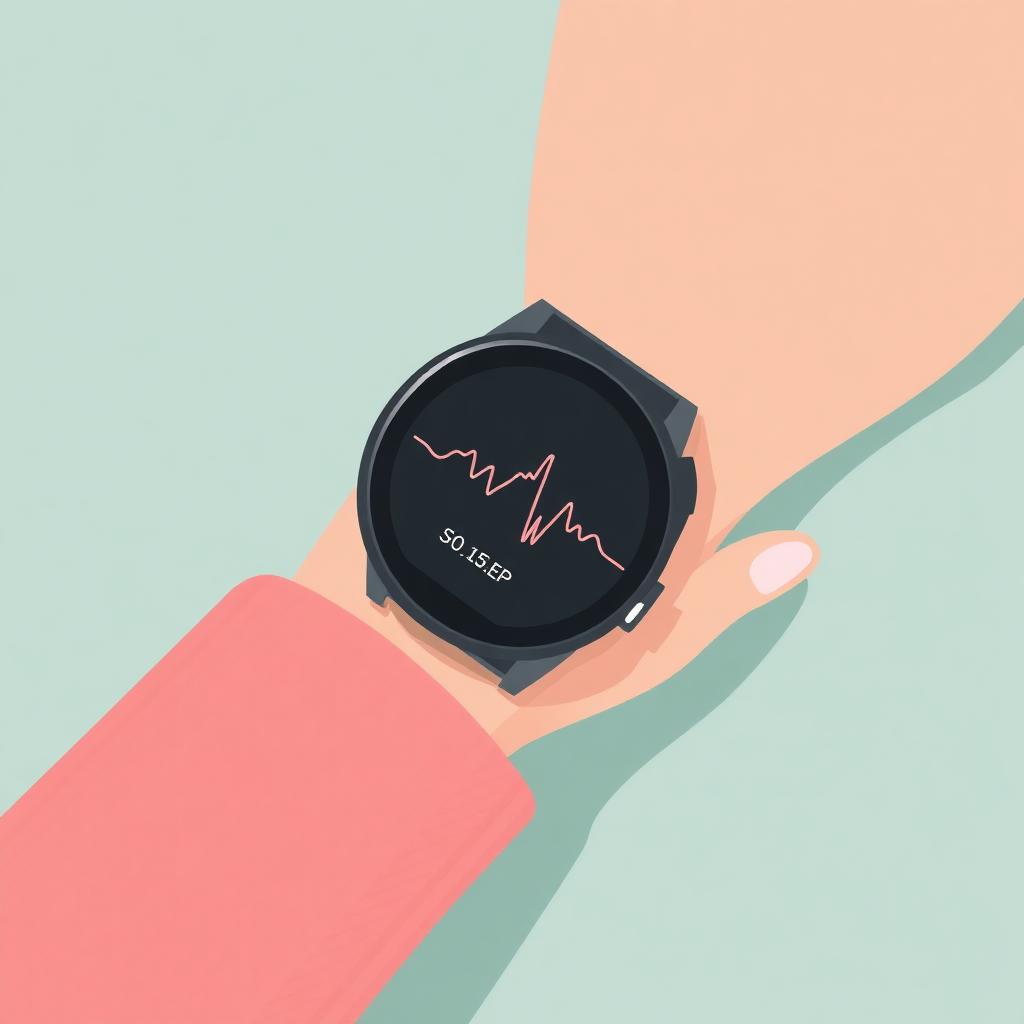
For years the Apple Watch was the worst sleep tracker on this list because you had to take it off to charge it. With watchOS 11 and the Series 10's faster charging, you can top it up in 30 minutes during your morning routine and wear it for the full night. That single change makes it the most useful general-purpose wellness wearable you can buy.
It's no longer fair to dismiss the Apple Watch as a sleep tracker. The hard part is that you still need an iPhone to use it.
What it does well at night
Sleep stage detection on Series 10 matches Oura and Whoop within a few minutes per night. Heart rate sampling overnight is dense enough to surface useful HRV trends, and the sleep apnea detection — which uses overnight accelerometer data to flag potential breathing disturbances — is the first FDA-cleared algorithm in a consumer watch. It will not diagnose you; it will give you a number that, if elevated for a month, sends you to a sleep clinic. That is exactly the right scope.
What it does well during the day
The strain you put on your nervous system by being available 24/7 is measurable, and the Apple Watch is the device that makes the strain worst. The fix — turning on a Focus mode and the Smart Stack workout summary — is also Apple-shaped. The double-tap gesture, on-device Siri and the genuinely good wrist-temperature tracking for cycle awareness are why most people who own one stop wearing other watches.
Where it loses points
Battery: about 18 hours of real-world use, which means daily charging is non-negotiable. The fast-charging Series 10 is the first that makes overnight wear realistic — but you're still tethered to the charger every day. Ecosystem: it does not pair with Android, will not, and never will. The Health app is Apple-only and Apple-shaped, so your data leaves only if you export it manually.
The first Apple Watch that's an honest sleep tracker. The first consumer wearable cleared by the FDA for sleep apnea screening. Both matter.
Sustainability and ethics
Apple's aluminium chassis and recycled-material commitments are best in class for a major consumer electronics product, with a published environmental report per generation. Repairability is poor and battery replacement is dealer-only. Subscription model is non-existent — once you own it, you own all features.
Who this is actually for
iPhone owners who want one device for fitness, sleep, payments and notifications. People who would benefit from sleep apnea screening. Anyone who would otherwise wear a Fitbit but already lives in iCloud.
- Potency
- Strong. Heart rate, HRV, wrist temperature, SpO2, ECG, and FDA-cleared sleep apnea screening.
- Bioavailability
- Strong. Daily charging window is now small enough that overnight wear is realistic.
- Marketing vs hype vs reality
- Solid. Apple is unusually conservative about health claims and labels metrics correctly.
- Sustainability
- Mixed. Best-in-class material sourcing, poor repairability, dealer-only battery.
- Ethics
- Solid. No subscription lock-in, transparent environmental reporting, on-device processing for sensitive metrics.
- Verdict
- If you have an iPhone, the Series 10 is the single best general-purpose watch on the market. If you don't, scroll down to Garmin or Polar.