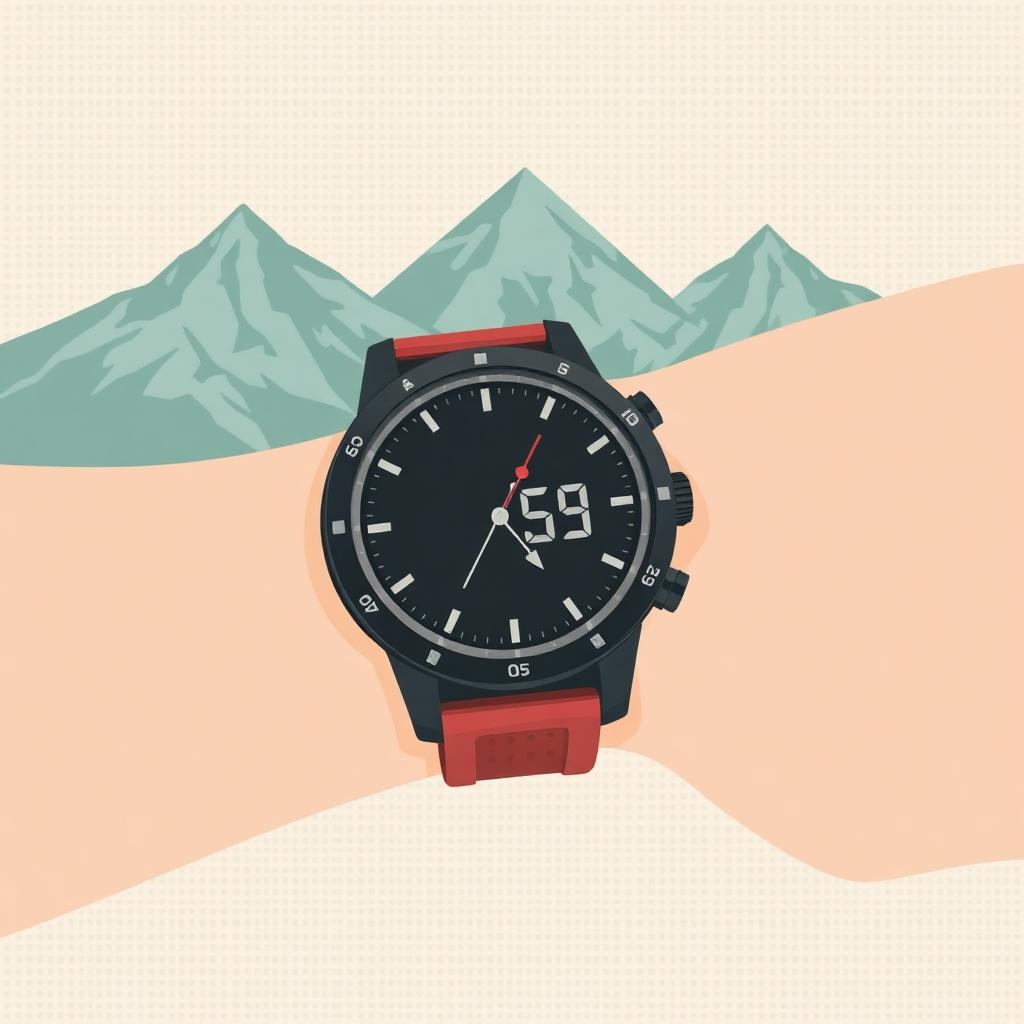
Garmin makes the most boring product brochure of any wearable company and the longest-lasting hardware in the category. The Venu 3 is their answer to people who want Apple-Watch-style wellness features without the daily charging routine. It tracks sleep more rigorously than its consumer-watch peers because Garmin treats training data as the real product.
The watch you buy when you've had three Apple Watches and you're tired of the charging cable.
Battery as a feature
Up to 14 days in smartwatch mode, around 5-6 with continuous heart rate, sleep tracking, and a daily workout. Compared to the daily charging cycle of Apple and Samsung, this is a quality-of-life upgrade most people underestimate until they live with it. Charging becomes a weekly chore, not a nightly one, and sleep compliance shoots up as a result.
Sleep and recovery
Sleep staging is competitive with Oura and Apple within a few minutes per stage. The Body Battery metric (an 0-100 energy gauge from HRV, stress and activity) is a useful interpretation layer on top of the raw data. Garmin's Morning Report is the most readable morning summary in the category — short, glanceable, with actionable training guidance.
Where it loses points
Garmin Connect is functional but visually dated and the app's information architecture is genuinely confusing the first month. Music and contactless payment work but the third-party app ecosystem is thin compared to Apple/Wear OS. The Venu 3 is a wellness watch in a brand built around endurance athletes, which means some features (advanced running dynamics, multi-band GPS) are tuned for users you may not be.
Two weeks of battery is the only spec on this list that materially changes how you live with a watch. Garmin earned it the hard way.
Sustainability and ethics
Garmin is one of the more conservative public companies in the category — no subscription tier for core features, transparent firmware support, repairable batteries via authorised service. Owned by the parent Garmin Ltd. but operates as one business; no aggressive ad or data monetisation model.
Who this is actually for
Anyone tired of daily charging. Endurance athletes who want one watch for training and life. Android users who want better sleep tracking than Samsung gives them. People who explicitly do not want their wellness data feeding an ad ecosystem.
- Potency
- Strong. Multi-band GPS, full sensor stack, validated sleep staging, Body Battery interpretation.
- Bioavailability
- Strong. Long battery and rich morning report mean the data actually gets read.
- Marketing vs hype vs reality
- Strong. Garmin is conservative about claims and lets the data speak for itself.
- Sustainability
- Solid. Long product lifecycle, replaceable batteries via service, no aggressive upgrade pressure.
- Ethics
- Strong. No subscription paywall on core features, no ad business model.
- Verdict
- Worth it for anyone who values battery life and doesn't need the Apple ecosystem polish. The best non-Apple watch on this list.