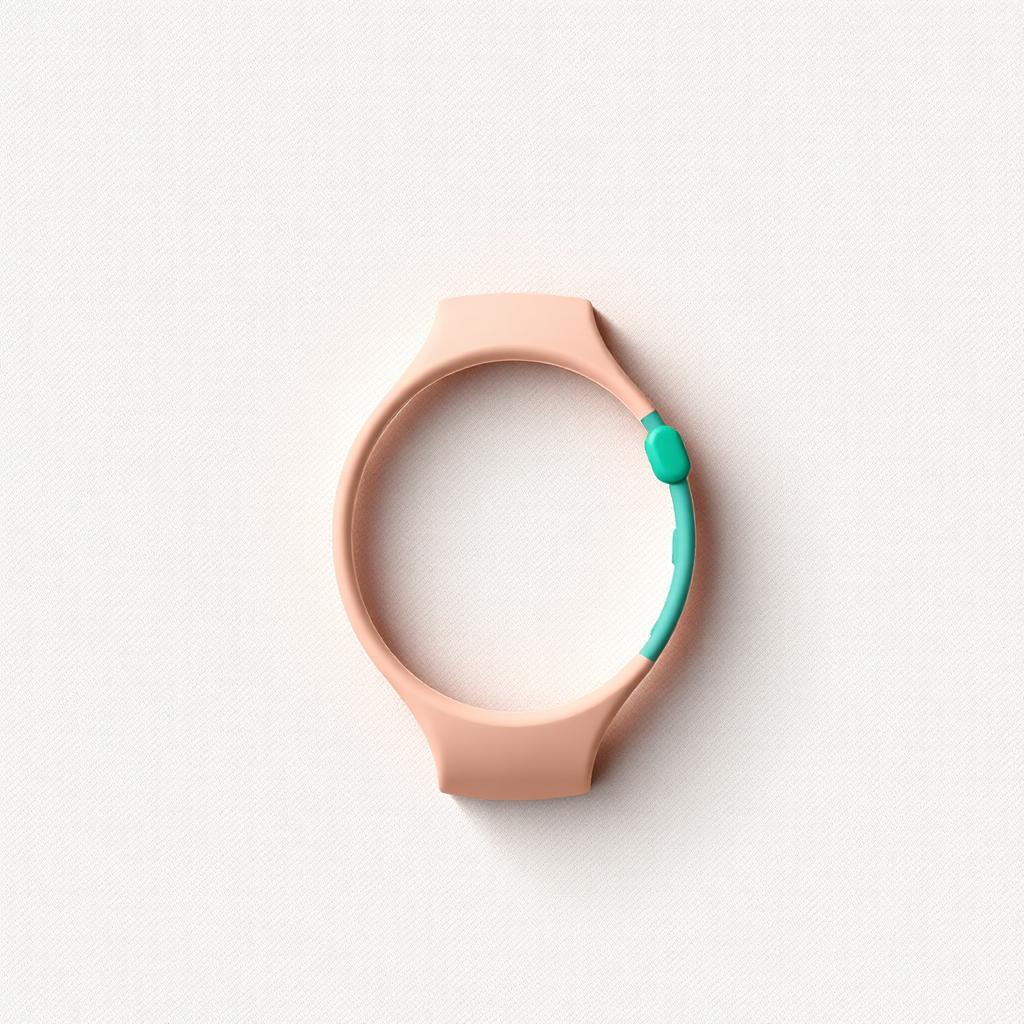
Whoop 4.0 is a 27-gram fabric strap with no screen, no clock, no notifications, and no buttons. You pay a monthly subscription to see anything it measures. That sounds insulting until you wear one for a month and realise the absence of a screen is the entire product.
The strap costs nothing. The data costs forever. Whether that maths works for you depends on whether you'll actually change your training based on a recovery score.
What it actually measures
Continuous heart rate at 100 Hz, 3-axis accelerometer, skin temperature, blood oxygen, and a proprietary "strain" score on a 0-21 scale. Sleep staging is derived from HRV and movement and validates within a few percentage points of polysomnography in published studies. The recovery score blends HRV, resting heart rate, sleep performance and respiratory rate into a single 0-100 number you see when you open the app in the morning.
Where it earns the subscription
The training guidance is the part most reviews miss. Whoop tells you a strain target each morning based on recovery. Hit it and the load is sustainable; exceed it on a red day and you'll feel it. After six weeks the model is calibrated enough that the suggestion is usually right. For lifters and endurance athletes this is the closest thing on the market to having a coach in your pocket. Garmin and Apple show you the same raw data; Whoop interprets it.
Where it doesn't
If you train inconsistently the model never settles and the recovery score becomes noise. If you don't want a coach you don't need this device. The lack of a screen is liberating until you're cycling and want to see your heart rate, at which point you remember why watches exist. And the EUR 30/month minimum (annual plans cheaper) compounds — three years of Whoop costs more than an Apple Watch Ultra you actually own.
The strap costs nothing. The data costs forever. Worth it only if you'll actually train to the score.
Sustainability and ethics
The strap itself is small and durable; battery is replaceable via a slide-on charger so the device never has to come off. Subscription model is the elephant: it locks software updates behind a payment wall, and if you stop paying, the strap is a paperweight. Whoop the company is US-based, transparent about methodology (they publish validation studies), and not owned by a wider conglomerate.
Who should actually buy it
Athletes mid-training-block who will change something based on a recovery score. People who want to stop looking at a watch. Anyone whose Apple Watch notifications are killing their nervous system more than the device is helping. Everyone else should buy an Oura ring.
- Potency
- Strong. 100 Hz heart rate, validated sleep staging, robust HRV. The sensor itself is genuinely premium.
- Bioavailability
- Mixed. Insight only lands if you act on the daily strain target — most people won't.
- Marketing vs hype vs reality
- Solid. Whoop publishes validation studies and the recovery score is honestly described as a guidance number, not a diagnosis.
- Sustainability
- Mixed. Strap is durable and battery never requires removal, but subscription bricks the device if you stop paying.
- Ethics
- Solid. Independent US company, transparent methodology, no parent conglomerate.
- Verdict
- Worth it if you train hard and will actually change your day based on a recovery score. Skip if you want to own your gear outright.