It’s a peculiar corner of the office, the one piled high with sleek, inscrutable boxes, odd-looking apparel, and dossiers on studios with names that sound like software startups. This is the Codex vetting desk. It’s where hype meets reality, where we poke, prod, and rigorously test the endless stream of ‘next big things’ in wellness to determine what’s genuinely useful and what’s just expensive decoration.
Our process is part lab science, part investigative journalism. Before any coach, studio, or product appears on The Codex, it undergoes a thorough review. We’re looking for efficacy, safety, quality of service, and that elusive element of genuine innovation. This month, our focus has drifted toward a unifying theme: the death of generalization. The market is finally moving beyond one-size-fits-all solutions and toward a future where wellness is a dataset of one: you.
What's happening
For years, the industry has paid lip service to personalization. Apps ask for your goals, and trainers ask about your history. But true personalization runs deeper than a questionnaire. It requires real-time, dynamic data and the expertise to interpret it. The class of 2026 is defined by this shift, moving from passive tracking (how many steps did you take?) to active biosensing (what is your current lactate threshold, and how is your body fueling this effort?).
We are seeing this manifest in three key areas. First, hardware is becoming smaller, more integrated, and less obtrusive—evolving from wrist-worn devices to invisible sensors that provide a constant stream of metabolic data. These are not just for elite athletes anymore; they are for anyone looking to optimize their energy, focus, and longevity. The promise is a dashboard for your body’s internal chemistry.
Second, coaching methodologies are evolving to incorporate this new torrent of data. The best coaches are becoming data scientists of the human body, moving beyond simple periodization of volume and intensity to orchestrate nutritional, supplemental, and recovery inputs based on real-time feedback. Finally, brick-and-mortar studios are responding by creating environments that train aspects of wellness previously ignored, from cognitive performance to nervous system regulation, treating the brain and body as a single, interconnected system.
Why it matters now
The wellness economy has reached a fascinating inflection point. After a decade of explosive growth, consumers are experiencing both fatigue and a demand for greater substance. According to projected Global Wellness Institute (GWI) figures for 2026, the segment of the market focused on “Personalized and Preventive Health” is expected to outpace general fitness, growing by an estimated 14% year-over-year. Consumers are no longer content with generic advice; they want protocols tailored to their unique physiology.
This shift is also driven by a convergence of technologies. Miniaturized sensors, AI-driven analytics, and a more sophisticated understanding of human metabolism are making it possible to deliver a level of personalization that was once the exclusive domain of research labs and Olympic training centers. The American College of Sports Medicine (ACSM) notes in its future trends report that “wearable technology” has matured into “integrated biosensing,” highlighting the move from measuring activity to interpreting physiology. This isn't just about chasing peak performance; it's about building a more resilient, optimized, and durable human system for the long haul.
The most interesting innovations are no longer about tracking what you've done, but about guiding what you should do next.
The Candidates
Here’s a look at three specific examples that have landed on our desk this month, each representing a different facet of this hyper-personalization trend. Each is in a different stage of our vetting process, from initial unboxing to in-depth field testing.
Hardware: The Rise Labs 'Metabolē' Patch
The market is saturated with continuous glucose monitors (CGMs), but the Metabolē patch from the San Diego-based startup Rise Labs is the first we’ve seen that convincingly integrates lactate and hydration sensing into a single, disposable unit. It’s a small, flexible patch applied to the tricep, much like a standard CGM, but its biosensor array provides a correlated, real-time view of your core metabolic inputs.
In our initial testing, the setup was seamless. The app is clean, and the data streams are surprisingly stable. Where a CGM tells you the downstream effect of a meal, the Metabolē aims to show you the fuel source your body is using during an activity. Are you in a fat-burning zone during your morning run? Is lactate accumulating faster than you can clear it on your final set of squats? Is your hydration status impacting your cognitive function mid-afternoon? These are the questions it claims to answer. We're currently cross-referencing its readings with lab-grade equipment to verify its accuracy. The potential is enormous, but so is the potential for data overload without proper interpretation.
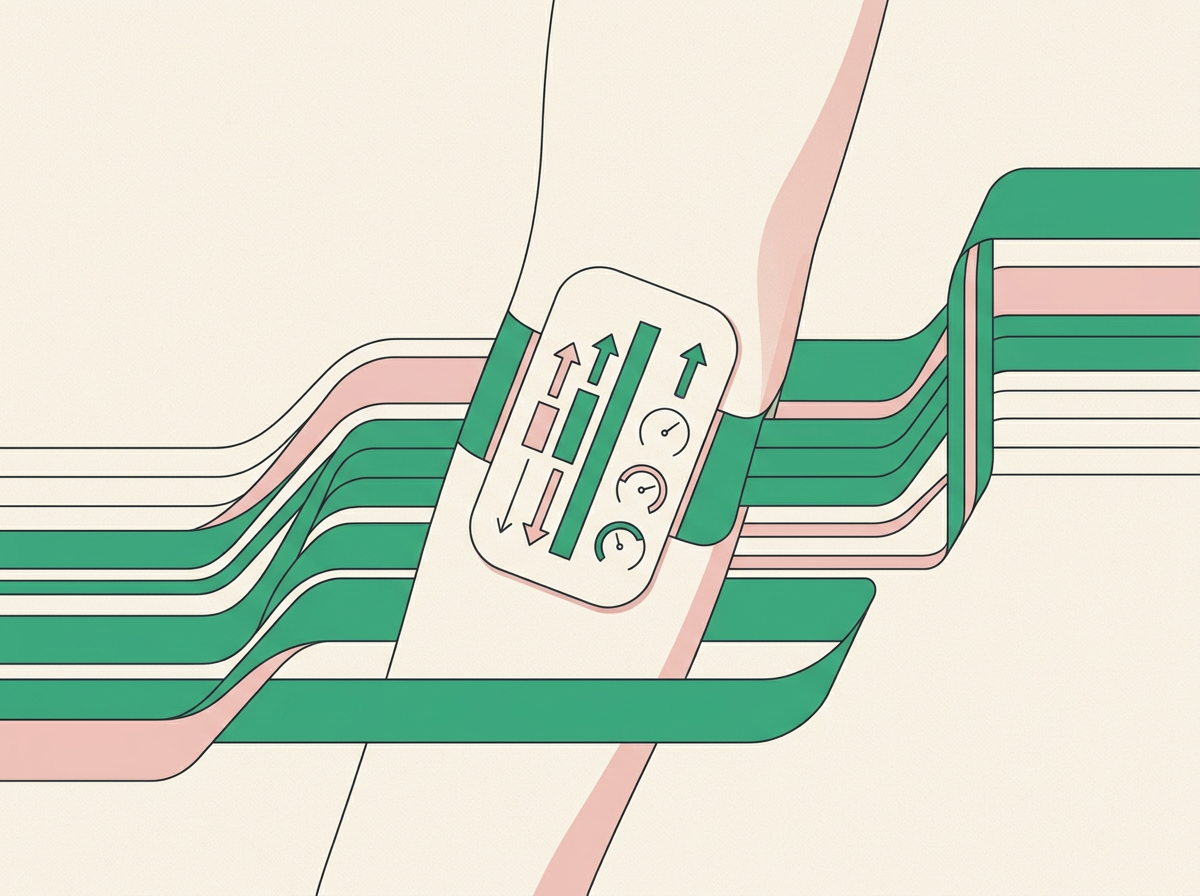
A sleek, minimalist patch on an arm
Verdict: Potentially groundbreaking for data-driven athletes and biohackers, but its utility will depend on the quality of its software insights. For: The data-obsessed, endurance athletes, anyone on a ketogenic or low-carb diet. Price Band: Estimated €250 for a starter kit, with a monthly subscription for patches.
Methodology: Metabolic Periodization
This isn't a product you can buy, but a coaching framework we're seeing adopted by the most forward-thinking practitioners on our platform. Metabolic Periodization takes the traditional athletic concept of planning training cycles and applies it to your body's energy systems. It’s about strategically manipulating nutrition and training to improve metabolic flexibility—the ability to efficiently switch between burning carbohydrates and fats for fuel.
A coach specializing in this might have you perform fasted, low-intensity cardio for one block to up-regulate fat oxidation pathways. In another block, they might push high-intensity intervals supported by precise carbohydrate timing to boost your top-end performance without leading to burnout or unwanted weight gain. It requires a coach who understands endocrinology as well as exercise physiology. We're identifying coaches who have moved beyond simple macros and are using data from devices like the Metabolē patch to tailor these protocols week by week, or even day by day.
This approach represents a significant step up from the generic "eat less, move more" advice that has dominated wellness for decades. It's a recognition that optimal health is a dynamic state, not a static goal.
Studio: Soma Synapse
We sent a scout to review a new studio concept in London called Soma Synapse. Their tagline is "Train your brain, the body will follow." It’s one of a new breed of facilities focusing on cognitive fitness and nervous system regulation as the foundation for physical performance. A typical session isn't just a workout; it's a suite of targeted neurological inputs.
One session our tester experienced involved a 20-minute physical workout on reactive light pods (similar to BlazePods), demanding agility and decision-making under physical stress. This was immediately followed by a 20-minute session in a sensory deprivation float tank to accelerate nervous system recovery. Other offerings include neurofeedback sessions to improve focus and attention, and breathwork classes specifically designed to improve CO2 tolerance, a key marker for endurance. Soma Synapse is betting that the next frontier of performance isn't stronger muscles, but a more resilient and efficient brain. We're intrigued by the concept of a studio that takes rest and cognitive load as seriously as progressive overload. The next step is to send a coach from the Codex network to evaluate their programming for scientific validity.
The future of fitness isn't just about stressing the body; it's about strategically recovering the nervous system.
What this means for you
This wave of hyper-personalization is exciting, but it also introduces a new layer of complexity. Having more data is useless, and potentially stressful, without the knowledge to act on it. A graph of your lactate threshold is just a squiggly line unless you know how to adjust your training zones in response. An expensive patch is just a patch if you don't have a plan.
This is where human expertise remains paramount. The role of a great coach is shifting from drill sergeant to data interpreter and guide. They can help you cut through the noise, select the right tools for your specific goals, and build a sustainable protocol. Instead of getting lost in a sea of data, you can use our AI intake to find a verified professional who specializes in these cutting-edge methods. Whether you're an executive trying to optimize your energy or an athlete chasing a new personal best, the right guidance is what turns data into results. And as companies look to provide more meaningful wellness benefits, offering access to this level of expertise through programs like Codex Credits becomes a powerful tool for employee performance and well-being.
Verdict
The bleeding edge of wellness in 2026 is sharp, data-heavy, and intensely personal. While new technologies like metabolic sensors and concepts like cognitive fitness studios are promising, they are not magic bullets. They are tools, and their effectiveness is entirely dependent on the skill of the user—or, better yet, the guidance of a professional who can integrate them into a coherent, personalized strategy.
FAQ
How does Codex vet products and coaches?
Our process is multi-stage. For products, we conduct hands-on testing and verify claims against scientific literature. For coaches, we have a three-tier system: 'crawled' (publicly available data), 'claimed' (profile verified by the coach), and 'verified' (credentials and references checked by our team).
What is 'metabolic flexibility' and why is it important?
Metabolic flexibility is your body's ability to efficiently switch between fuel sources, primarily fats and carbohydrates. Improving it can lead to better energy stability, enhanced endurance, easier weight management, and reduced risk of metabolic diseases.
Do I need these advanced gadgets to be healthy?
No. Foundational habits like sleep, nutrition, and consistent movement are always the most important. Advanced tools are for optimization and can be powerful when used correctly, but they are not a prerequisite for a healthy life.
How can I find a coach who understands this new technology?
Our AI-driven intake process is designed for this. When you specify goals related to data-driven performance or metabolic health, our system matches you with verified coaches who list these specializations and have been vetted by our team for their expertise in the area.