The digital noise floor of the wellness industry has risen to a steady roar. It’s a torrent of AI-generated meal plans, breathless influencer testimonials for mushroom coffee, and venture capital press releases promising to disrupt sleep itself. Sorting the signal from this static has become a full-time job—one for which nobody has the time, and for which we are all, by default, unqualified.
Each week, we do some of that sorting for you. Consider this your curated dispatch from the front lines of personal optimization, a filter for the content that matters, the trends that have legs, and the ideas that are genuinely new, rather than just newly packaged. We read the financial papers, the data blogs, the peer-reviewed journals, and the unhinged Substack rants so you can spend less time scrolling and more time, perhaps, living well.
What's happening
This week, the conversation seems to orbit a few key themes: consolidation, quantification, and a surprising return to analog effort. On one end of the spectrum, big tech and legacy capital continue their methodical absorption of the fragmented wellness landscape, turning boutique experiences into scalable assets. We’re seeing this play out from fitness studios to digital health platforms, where the race is on to own the user, their data, and their monthly subscription.
Simultaneously, the tools for self-quantification are growing unnervingly sophisticated. The conversation has moved far beyond step counts and sleep scores. Now, we’re grappling with consumer-grade brain-computer interfaces promising to teach meditation and AI companions designed to alleviate loneliness. These aren't science fiction concepts from a distant future; they are products on the market, raising urgent questions about efficacy, privacy, and what it means to outsource our internal states to an algorithm.
Yet, for every high-tech solution, a low-tech counter-movement seems to emerge. As one corner of the industry chases neural-level interventions, another is rediscovering the simple, profound benefits of carrying heavy things over long distances. The data suggests a growing fatigue with complexity, a desire for forms of fitness that are straightforward, effective, and rooted in functional, primal movement. It’s a reminder that sometimes the most potent wellness tool isn’t a new device, but an old idea, rigorously applied.
Why it matters now
The Global Wellness Institute (GWI) projected the wellness economy would comfortably surpass $8 trillion by 2027. That figure, while staggering, doesn't capture the friction and confusion experienced by the average consumer. When that much money is at stake, the volume of marketing, misinformation, and outright grift becomes a significant public health issue in its own right. Navigating this environment requires a new kind of literacy—the ability to critically evaluate claims, understand data, and recognize when a solution is truly serving you, versus when you are serving the solution's balance sheet.
This isn't just an academic exercise. The cost of choosing the wrong path—the ineffective supplement, the overpriced equipment, the time-wasting protocol—is measured in more than just dollars. It's measured in lost time, frustrated effort, and a creeping cynicism that can lead people to disengage from their health entirely. In an era of infinite choice, the most valuable commodity is clarity. Understanding the macro-trends, from corporate M&A to the latest data on exercise adherence, provides the context needed to make smarter, more personal decisions.
The most expensive wellness product on the market is the one that convinces you there’s a problem you don’t actually have.
The picks
Here are five pieces from the past week that caught our attention, each offering a distinct lens on the state of wellness now.
The New Frontier of the Loneliness Economy (The New York Times)
A long, thoughtful, and slightly unnerving feature on the rise of AI companionship apps. Moving beyond rudimentary chatbots, these platforms are now being explicitly marketed as mental wellness tools, offering a 24/7 non-judgmental ear. The piece navigates the complex ethics, questioning whether these apps are a useful tool for a disconnected age or a symptom of a deeper societal malaise. It profiles users who have formed genuine attachments to their AI friends, alongside psychologists who warn of the potential for emotional dependency and the erosion of real-world social skills. A must-read for anyone interested in the intersection of technology and mental health.
Wellness Goes Corporate: An Analysis of Market Consolidation (The Economist)
This is the kind of dry but essential reading that explains the shifting landscape of your local fitness scene. The Economist charts the accelerating trend of private equity and large corporations acquiring chains of yoga studios, CrossFit boxes, and boutique fitness brands. The goal? Standardization, efficiency, and subscription revenue. The article argues that while this may lead to more predictable experiences and lower prices in the short term, it also risks homogenizing a once-vibrant and diverse industry. It’s a sober look at the financial mechanics driving the industry, reminding us that wellness is, first and foremost, a business.
Hacking Your Headspace, Literally (Wired)
Wired takes a deep dive into the second generation of consumer brain-computer interfaces (BCIs) for meditation. While first-gen devices like Muse focused on simple EEG feedback, new entrants are promising more active interventions—using subtle auditory or haptic signals to 'guide' the brain into desired states like 'focus' or 'calm'. The reporting is balanced, giving voice to both the biohacker enthusiasts and the neuroscientists who urge caution. The central question is a profound one: if you can achieve a meditative state via a technological shortcut, is it still meditation? And what are the long-term consequences of letting an algorithm modulate your consciousness?
Rucking Is The New Running (Strava Data Blog)
For years, the narrative has been that running is the world's most accessible sport. Strava's data scientists, however, have unearthed a powerful challenger: rucking. Analyzing millions of activities, they show a triple-digit percentage increase in logged 'rucks' or weighted walks over the past 24 months, particularly among users aged 30-50. The article speculates on the reasons: lower impact than running, the combined benefits of cardio and strength training, and a certain primal appeal. It’s a fascinating example of how data can reveal grassroots trends before the marketing departments catch on, and a powerful reminder that fitness innovation doesn't always require new tech.
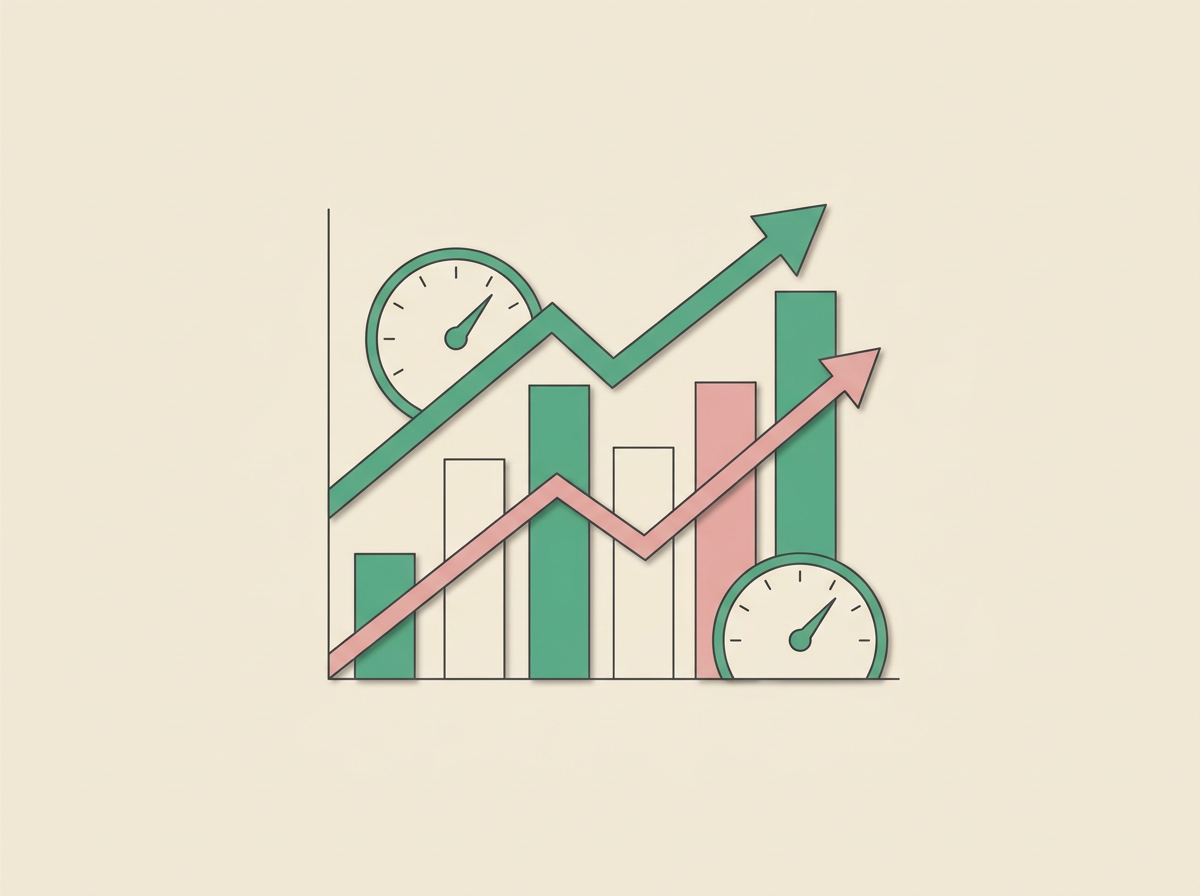
a simple line chart showing rucking growth vs running
The Myth of a 'Confused' Muscle (via a fictional Exercise Science Substack)
We close with a piece of sharp, focused myth-busting from a niche exercise science newsletter. The author, a PhD in biomechanics, systematically dismantles the persistent gym-floor theory of 'muscle confusion'—the idea that you must constantly change your exercises to stimulate growth. With clear citations and simpler language, the article explains the principles of progressive overload, demonstrating that consistency and gradual increases in weight or reps are far more important than novelty. It’s a refreshing antidote to the content churn of fitness influencers, championing scientific principles over algorithmic trends. It serves as a good reminder that often the most effective information comes from specialists, not generalists.
True wellness isn't about finding the perfect trend; it's about developing the perfect filter for the noise.
What this means for you
Reading the industry tea leaves is one thing; applying it is another. The overarching theme from this week’s reading is that the wellness world is simultaneously getting more complex (BCIs, AI companions) and simpler (walking with weight). The danger lies in getting paralyzed by choice or seduced by a high-tech solution to a low-tech problem. The signal to follow is always the one that points back to your own consistent, sustainable practice. No app, device, or class can replace the fundamental work of showing up.
This is where a curated approach becomes essential. Instead of chasing every trend highlighted in Wired or The Economist, the smarter move is to identify your actual needs and find a single, trusted guide. That’s the entire philosophy behind the Codex intake process—to cut through the noise and connect you with a single, vetted coach or studio that fits your goals, not the latest trend. For businesses, the takeaway is similar. Rather than offering a dozen confusing options, empower your team with a flexible resource like Codex Credits, allowing them to find their own best-fit solution within a trusted ecosystem.
Verdict
The wellness landscape of 2026 is a paradox. It offers technologically advanced tools for self-optimization alongside a renewed interest in primal, analog activities. The most valuable skill is not mastering any single one of these trends, but developing the critical discernment to know which to engage with and which to ignore. The signal is there, if you know how to listen for it.
FAQ
How can I spot wellness misinformation?
Look for red flags like promises of quick fixes, appeals to emotion over evidence, and the promotion of a single product as a cure-all. Prioritize sources that cite scientific literature and welcome nuanced discussion over absolute claims.
Are paid wellness newsletters or Substacks worth the money?
They can be, if the author is a credentialed expert in a specific field (e.g., a PhD in biomechanics, a registered dietitian). Be wary of generalists who claim expertise across many unrelated areas. Often, the value is in the curation and deep knowledge, not just broad commentary.
With so many conflicting trends, how do I know what's right for me?
Start with your personal goals, your budget, and what you realistically enjoy. The most effective wellness plan is one you can stick to. Consider working with a verified professional, like those found on the Codex marketplace, to get a personalized recommendation.
What is 'rucking' and why is it getting popular?
Rucking is simply walking with a weighted backpack. Its popularity is growing because it combines cardiovascular exercise with strength training, is lower-impact on the joints than running, and requires minimal specialized equipment. It's a highly functional, scalable form of exercise.