The desk, if we’re being honest, is a quiet battleground. On any given week, it’s home to a silent scrum of beautifully packaged supplements, sleek wearables promising biometric nirvana, and pitch decks for studios with revolutionary new methods. A casual observer might see a collection of intriguing objects. Our team sees a stack of hypotheses waiting to be tested, validated, or, more often than not, politely dismissed.
This is the unglamorous, essential work of curation. For every product that makes it to the Codex marketplace, dozens are returned to sender. For every coach who earns a ‘verified’ checkmark, many more remain ‘claimed’ or simply ‘crawled’ by our system. It’s a process of panning for gold in a river of well-marketed silt. This column is a look at what’s currently in the pan.
What's happening
The wellness landscape of 2026 is a paradox of choice. The explosion of direct-to-consumer brands, micro-studios, and independent coaches has democratized access to health, but it has also created a fog of competing claims. We've moved past the era of one-size-fits-all fitness and into an age of hyper-personalization, but the tools for navigating this new terrain often lag behind the marketing. Everyone has a solution, a protocol, a proprietary blend. The challenge is no longer finding an answer, but finding your answer.
This month's intake reflects three dominant currents. First, the maturation of recovery technology, moving from simple percussive massage guns to integrated, AI-driven systems that respond to your body in real time. Second, a quiet rebellion against the high-intensity, 'more is more' ethos of the last decade, manifesting in methodologies like 'slow strength' that prioritize time-under-tension and neurological adaptation over heart rate spikes. And third, the ever-present quest to optimize the mind, with a new generation of nootropics focusing on sustainable cognitive function rather than short-term jolts.
Our job at Codex is to act as a filter for these trends. We're not interested in what's merely new; we're interested in what's effective, safe, and built to last. It involves reading the clinical studies, yes, but also using the product for six weeks, visiting the studio unannounced, and having long conversations with the coach about their philosophy. It’s about separating the signal from the noise.
Why it matters now
The sheer volume of options is creating a new kind of consumer fatigue. The Global Wellness Institute (GWI) projected the wellness technology sector alone to surpass $700 billion by this year, a staggering figure that represents millions of individual products and apps vying for your attention. This saturation leads to decision paralysis. When faced with a dozen aesthetically pleasing, five-star-rated meditation apps, the user is as likely to choose none as they are to choose the one best suited for them.
This is where curation becomes a service, not just a feature. In a world of infinite choice, the most valuable commodity is a trusted recommendation. It’s the understanding that a human, an expert, has done the homework. This matters because sustainable wellness isn't built on one-off purchases or fleeting enthusiasms. It's built on a series of good decisions, integrated into a coherent personal system. Our goal isn't just to match you with a product, but to help you build the intelligence to make better choices for yourself over the long term.
The most valuable commodity in wellness isn't a new device, but a trusted recommendation built on rigorous, quiet, human-led vetting.
The Desk Drop
Here’s a look at what’s under the microscope at Codex HQ this month. The inclusion here is not an endorsement, but a progress report from the front lines of our vetting process.
The Product: Somna AI Recovery Mat
At first glance, the Somna mat looks like a premium yoga mat that’s had a run-in with a textile designer. But unroll it, and the embedded technology becomes apparent. This is a dynamic recovery surface that uses a grid of piezoelectric haptic nodes and micro-thermal zones to deliver tailored recovery sessions. You complete a workout, tell the app what you did, and the mat designs a 20-minute program of gentle pulses, vibrations, and waves of warmth or coolness to target muscle groups and stimulate the parasympathetic nervous system.
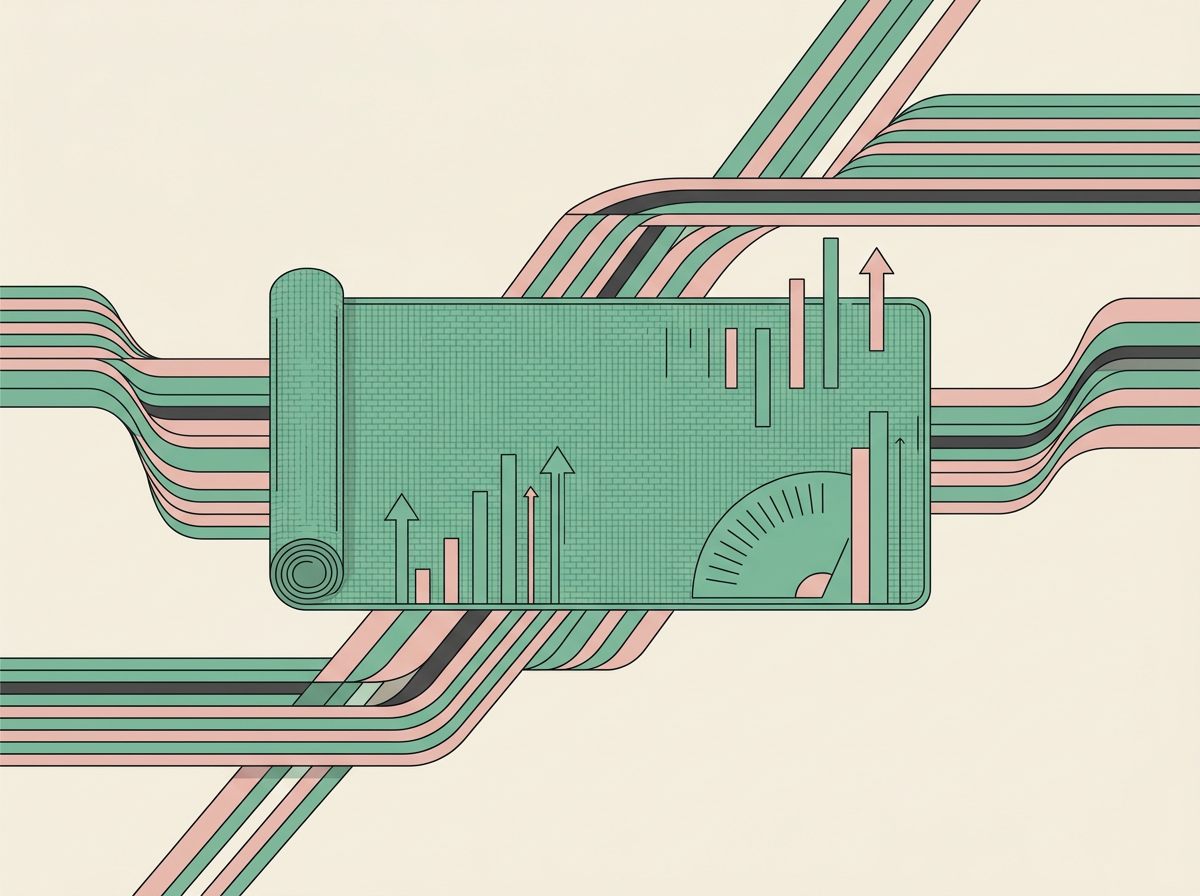
a minimalist photo of the Somna mat unrolled
Our team is testing its efficacy against passive recovery and simpler tools like foam rollers. The initial feedback is positive, particularly for lower-body recovery after long runs. The AI seems adept at creating non-repetitive, genuinely relaxing sessions. The main questions we're trying to answer are durability over time and whether the tangible benefits justify the significant price tag.
- Verdict: Promising, but the jury is out on whether it’s a category-definer or a luxury nice-to-have.
- Who it's for: Data-obsessed athletes, biohackers, and anyone who wants their recovery to be as automated as their coffee order.
- Price Band: €600–€800
The Studio: Forge Slow Strength, London
Forge is a small, appointment-only studio in Clerkenwell that embodies the backlash against HIIT. There’s no music, no mirrors, and a maximum of four clients per session. The methodology is pure, unadulterated slow-strength training: lifting heavy weights with a 10-second eccentric (lowering) and 10-second concentric (lifting) phase. A full-body workout consists of just five or six machine-based exercises and lasts under 30 minutes, but the intensity is brutal in a way that’s completely different from cardio.
Our studio vetting team has been attending sessions for a month. The focus is on perfect form and muscular failure, which proponents claim maximizes muscle recruitment and growth hormone release with minimal stress on joints and the central nervous system. We’re assessing the quality of instruction, the safety protocols, and the long-term viability for clients who are used to the endorphin rush of more traditional workouts. It’s effective, but is it engaging enough to build a loyal community?
- Programming: Super-slow resistance training on specialized machines. One or two sessions per week.
- Vibe: Monastic, focused, and intensely personal. More like a laboratory for the body than a gym.
- Who it suits: Time-poor executives, individuals recovering from injury, and anyone who values strength and longevity over pure aesthetics.
The Methodology: Dr. Anya Sharma's Neuro-Executive Protocol
Dr. Sharma is a performance coach who has been steadily climbing our internal rankings, recently moving from 'claimed' to 'awaiting verification'. She works exclusively with C-suite executives and founders, and her protocol is a fascinating blend of neuroscience, wearable data, and traditional strength and conditioning. It begins not in the gym, but with a qEEG brain map and a full hormonal panel. The physical training is then programmed around optimizing cognitive metrics—like focus and emotional regulation—as much as physical ones.
Vetting a high-touch, high-cost coach like Dr. Sharma is a complex process. It involves confidential interviews with past and current clients, a deep dive into her credentials (a legitimate PhD in neuroscience from a reputable university, in this case), and an analysis of the anonymized data she provides to demonstrate outcomes. We’re looking for evidence that her method produces results beyond what a standard executive coach and a separate personal trainer could achieve. The synthesis is the key.
- Process: Data-driven, highly personalized, and integrates mental and physical performance.
- Results: Clients report improved decision-making and stress resilience alongside physical gains.
- Vetting Status: In final review. We are currently verifying client testimonials and cross-referencing her published research.
True personalization isn't just about data. It’s about the synthesis of that data by a qualified human expert who knows you.
What this means for you
Reading about the cutting edge is one thing; applying it is another. The constant churn of newness can be distracting. Instead of chasing the latest trend, the smarter approach is to first establish a clear baseline and a set of personal goals. What are you actually trying to solve? Are you burned out and need recovery? Are you strong but inflexible? Is your mental focus the weak link in your professional life?
This is the precise problem the Codex intake was designed to solve. It’s a smart questionnaire that cuts through the noise to understand your unique context. Based on your answers, it can suggest a starting point—whether that's a specific type of coach, a local studio that aligns with your goals, or even a piece of equipment that will genuinely make a difference. It might point you toward a coach who specializes in a neuro-centric approach like Dr. Sharma’s, or a place like Forge that offers a methodology you hadn't considered. The system is designed to provide one good match, not a hundred confusing options.
Verdict
The work of vetting never ends, because innovation never ends. This month's desk drop shows a clear move toward more integrated, intelligent, and mindful forms of wellness. From AI-powered mats to brain-focused coaching, the future is less about raw effort and more about precise, targeted interventions. Our job is to keep testing, so you can simply trust.
FAQ
What is 'slow-strength' training?
It's a resistance training method focused on extremely slow movements, typically 10 seconds for lifting and 10 seconds for lowering a weight. The goal is to maximize 'time under tension' for the muscle, which can stimulate growth and strength gains with less stress on joints compared to traditional lifting.
How does Codex vet coaches and studios?
Our process has multiple tiers. We start by crawling public data, then allow coaches and studios to 'claim' their profiles. The 'verified' tier involves a rigorous manual review, including credential checks, methodology analysis, interviews, and sometimes anonymous client feedback to ensure quality and safety.
Are the products mentioned in the article available on Codex?
Not necessarily. This article features items currently 'on the desk' and in the vetting process. Only products that pass our multi-stage testing for efficacy, safety, and value will be made available on the Codex marketplace. It's a look behind the curtain at what we're considering.
What is the difference between a 'claimed' and 'verified' coach on Codex?
A 'claimed' profile means the coach has taken ownership of their listing and updated their information. A 'verified' coach has undergone a thorough, manual vetting process by the Codex team, which includes verifying credentials, methodology, and often client outcomes. It represents our highest level of trust.