Another week, another rotation around the sun-salutation. From our vantage point, the wellness industry’s churn looks less like a chaotic scramble and more like a predictable tide. There are the big, gravitational pulls from Cupertino and Mountain View, setting the terms of engagement for our own data. Then there are the niche currents, the strange and wonderful experiments happening in quiet labs and far-flung retreats, which often predict the mainstream conversation three years from now.
This week felt like a perfect confluence of both. A platform shift that will define the next decade of digital health arrived with all the orchestrated fanfare we’ve come to expect. And in the same breath, whispers from the fringes of the longevity movement suggest a new, more competitive chapter in our quest for eternal youth. The question, as always, is what to pay attention to.
What's happening
The marquee event, impossible to ignore, was Apple's keynote announcing the immediate rollout of HealthOS. After years of speculation and fragmented efforts across HealthKit, ResearchKit, and the Apple Watch's sensor array, the company has finally delivered a unified operating system for the self. Billed as the central nervous system for your personal health data, it integrates everything from sleep cycles and blood oxygen to gait analysis and, via new third-party hardware APIs, even continuous glucose and lactate monitoring. It’s a powerful, elegant, and slightly unnerving consolidation of the quantified self.
Simultaneously, on the analog side of the wellness coin, we’re tracking the emergence of what can only be described as competitive longevity retreats. Forget silent meditation and gentle yoga. Places like the newly opened ‘Elysian Fields’ in the Nevada desert are positioning themselves as bio-hacking bootcamps. Attendees don't just relax; they compete. Daily blood panels, cognitive tests, and physical performance benchmarks are tracked on a public leaderboard, with the goal of demonstrably lowering one’s biological age over a seven-day stay. It’s the gamification of self-improvement taken to its logical, expensive conclusion.
Finally, in the CPG space, a significant launch from a new player called Soma Labs is making waves. Their flagship product, ‘Clarity,’ is a non-alcoholic, nootropic-infused sports hydrator designed for both cognitive and physical performance. It’s a direct challenge to the legacy sugar-and-salt formulas of Gatorade and its ilk, targeting a demographic that is increasingly sober-curious and views mental focus as a key component of fitness. This isn't just about replenishing what you lose in sweat; it's about sharpening the mind for the task at hand.
Why it matters now
The launch of HealthOS is more than just a software update; it’s a land grab for the future of personalized medicine. The global digital health market, which the Global Wellness Institute (GWI) valued at over $650 billion in its last major report, is predicated on data. By creating a seamless, consumer-friendly operating system, Apple isn't just organizing that data—it's positioning itself as the gatekeeper. For individuals, this promises unprecedented insight and control. For the industry, from coaches to clinicians, it presents both a monumental opportunity to build integrated services and a significant challenge in navigating the data privacy and diagnostic ethics of this new ecosystem.
This move toward data-driven optimization is mirrored, albeit in a more extreme form, by the rise of competitive longevity retreats. Wellness tourism has been a booming sector for years, but its focus has historically been on de-stressing and disconnection. The Elysian Fields model represents a paradigm shift towards active, measurable self-optimization. It suggests that for the ultra-high-net-worth demographic, wellness is no longer a passive luxury but an active, performance-based investment. This competitive ethos, born in Silicon Valley, is now being packaged as a luxury experience, and it's a trend that will inevitably influence the broader market.
When did reversing our biological age become a competitive sport with a public leaderboard?
The Details
Apple HealthOS: The Unified Self
Apple's new operating system is a masterclass in user experience design applied to the messy reality of human biology. The main interface, or 'dashboard,' provides a single, dynamic score—your 'Health Span Indicator'—calculated from a proprietary algorithm that weighs dozens of biometric inputs. It visualizes your body’s systems (Cardiovascular, Metabolic, Neurological, etc.) as interconnected constellations, with real-time data points shimmering and shifting. The true power, however, lies in its API, which allows vetted third-party apps and hardware to read and write data in a standardized format. Imagine your Oura Ring, Whoop band, and a future smart mattress all feeding into one coherent narrative about your recovery.
For the end-user, it’s about context. The OS can flag that your poor sleep last night (data from your bed) might be impacting your heart rate variability this morning (data from your watch), and suggest a less intense workout. For professionals, this platform could enable a new tier of personalized service, offering a holistic view of a client’s health far beyond their weekly check-ins. The privacy architecture is robust, with granular, on-device controls, but the centralization of such sensitive information is, without question, a new frontier of personal data security.
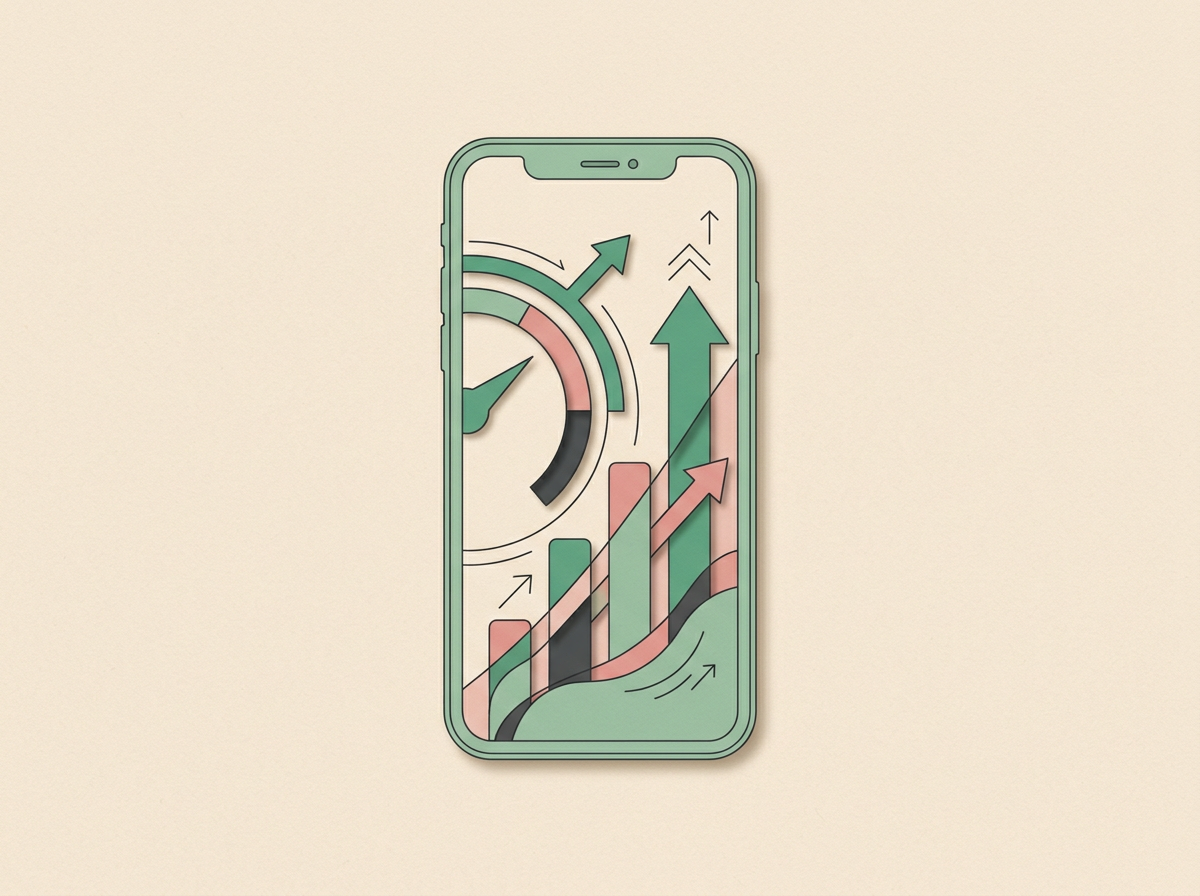
a smartphone displaying the new HealthOS dashboard
Elysian Fields: The Longevity Olympics
The programming at Elysian Fields reads less like a spa menu and more like a clinical trial protocol. A week-long stay begins with a full-body MRI, extensive bloodwork, and a VO2 max test. Each day involves a strict regimen of personalized nutrition, targeted exercise, sessions in hyperbaric oxygen chambers, cryotherapy, and IV drips delivering custom cocktails of vitamins and peptides. Every metric is tracked, and progress is displayed on large screens in the communal dining area. The vibe is less ‘rest and digest’ and more ‘measure and manage.’
Who is this for? The client list is a predictable roster of tech executives, venture capitalists, and crypto pioneers—individuals accustomed to optimizing systems and now applying that same mindset to their own biology. While the $50,000 price tag for a week makes it wildly inaccessible, the methodology is what's worth watching. It signals a shift from wellness as a feeling to wellness as a quantifiable outcome. The tools and techniques pioneered here—daily blood testing, competitive recovery scores—will likely be democratized and offered in more accessible formats in the coming years.
'Clarity': The Sober Sports Hydrator
Soma Labs’ ‘Clarity’ enters a crowded functional beverage market, but with a sharp point of view. It eschews the day-glo colors and saccharine flavors of traditional sports drinks. The formulation is built on a base of electrolytes and minerals for hydration, but the star ingredients are a blend of nootropics: L-theanine, citicoline, and a micro-dose of Lion’s Mane mushroom extract. The promise is not just rehydration, but enhanced focus, reduced mental fatigue, and a smoother stress response during and after exertion. It’s sold in minimalist aluminum bottles and comes in subtle flavors like Cucumber & Mint or Grapefruit & Rosemary.
This product is aimed squarely at the intersection of the fitness and productivity worlds. It's for the person who leaves a high-stakes meeting to hit a CrossFit class and needs to be sharp for both. By being explicitly non-alcoholic and low in sugar, it also taps into the growing mindful drinking movement. It reframes hydration not just as a physiological necessity for sport, but as a tool for cognitive optimization throughout the day. This move from pure physical replenishment to integrated mind-body performance is a telling evolution in sports nutrition.
The biggest players are no longer just tracking our workouts; they're building the operating system for our bodies.
What this means for you
The arrival of platforms like HealthOS will soon provide an unprecedented volume of data about your own body. This can be empowering, but data without interpretation is just noise. An avalanche of metrics can easily lead to health anxiety or obsessive tracking without meaningful change. The real value isn't in the data itself, but in how you use it to inform your choices. This is where human expertise becomes more critical than ever. A skilled professional, like one of the vetted experts on the Codex coaches platform, can help you cut through the noise, connect the dots between your data and your daily habits, and build a sustainable plan. Our AI-powered intake process is designed to match you with someone who speaks your language—whether that language is data-driven optimization or intuitive self-care.
Meanwhile, trends like competitive longevity and hyper-specialized products like Clarity highlight the industry's increasing fragmentation. It’s easy to feel like you need the latest gadget, supplement, or extreme retreat to be well. But the truth remains that for most of us, mastery of the fundamentals—consistent movement, quality sleep, real food, and genuine social connection—delivers 90% of the results. Before you chase the 1%, browse our curated selection of studios to find a community and practice you love, or explore the Codex products guide for essentials that are vetted for quality, not hype. For businesses looking to support their teams, Codex Credits offer a flexible way to empower employees to find their own path through this complex landscape.
Verdict
This week in wellness was defined by a powerful duality. On one hand, massive consolidation as Apple aims to become the default OS for the human body. On the other, extreme fragmentation, with niche products and experiences catering to an ever-more specific set of desires. Both trends underscore a central truth: as our understanding of health becomes more sophisticated, so too must our approach to navigating it.
FAQ
What is the fictional Apple HealthOS discussed in the article?
HealthOS is a conceptual, unified operating system imagined for Apple devices. It would integrate all health and biometric data from the Apple Watch, iPhone, and third-party hardware into a single dashboard, providing users with a holistic view of their health.
What are 'competitive longevity' retreats?
These are high-end wellness retreats that shift the focus from relaxation to measurable, competitive self-optimization. Attendees participate in intensive programs of bio-hacking and performance testing, with results tracked on a public leaderboard to see who can improve their biological markers the most.
Are new sports drinks with nootropics actually better?
It depends on the goal. Traditional sports drinks excel at rapid rehydration and electrolyte replacement during intense, prolonged exercise. Newer drinks with nootropics aim to support cognitive function and focus, which may benefit athletes in skill-based sports or individuals seeking mental clarity alongside physical activity.
I have all this health data from my watch. What should I do with it?
Data is most useful when it leads to informed action. Rather than getting lost in the numbers, consider working with a professional. A health coach or trainer can help you interpret the data in the context of your lifestyle and create a personalized plan to reach your goals.