The conference table in our Berlin office looks less like a boardroom and more like the aftermath of a very specific, health-conscious heist. There’s a tangle of charging cables powering rings, patches, and watches that haven’t been released yet. A row of unassuming jars contains powders and capsules promising everything from deeper sleep to sharper focus. Spreadsheets on the monitor behind it all list studios from London to Los Angeles, color-coded by modality, waitlist size, and—most importantly—rumored efficacy.
This is the less glamorous side of curation. Before a product, coach, or studio appears on The Codex, it lands here. It’s a physical and digital triage station where we begin the long process of separating the genuinely useful from the merely well-marketed. It’s our test kitchen, our lab, and our internal proving ground.
What's happening
Every month, the wellness industry unleashes a fresh torrent of innovation, iteration, and occasionally, inspiration. Wearables get smaller and their sensors more ambitious. Supplements move from broad-spectrum multivitamins to hyper-specific nootropic stacks and metabolic modulators. Studios, facing a perpetually competitive landscape, are creating hybrid classes that blend seemingly disparate disciplines in a bid to capture a new, discerning audience. It’s a lot to keep up with, even for us.
Our job at Codex is to provide a single, trustworthy signal amidst this noise. That process is methodical. It begins with broad scanning—tracking industry reports, academic papers, and the quiet buzz on developer forums and niche communities. From there, we narrow the field to a handful of candidates in each category that appear to offer something substantively new, not just a new colorway or a slicker marketing campaign. This longlist becomes our shortlist for hands-on testing.
This is where the team gets involved. A new wearable isn’t just benchmarked in a lab; it’s worn for weeks by different team members with different lifestyles—a marathon runner, a new parent, a frequent flyer. A new supplement is tried, with team members journaling their experience. A promising studio concept is visited, unannounced, at different times of the day. We collate the data, but we also collate the lived experience. It’s the only way to answer the most important question: does this actually work, and for whom?
Why it matters now
The Global Wellness Institute valued the wellness market at over $5.6 trillion in its last major report, a figure that has only grown. This staggering valuation has attracted a flood of capital and entrepreneurs, resulting in a marketplace that is both incredibly vibrant and overwhelmingly saturated. For the average person trying to improve their health, choice has become a paradox. The sheer volume of options, each armed with aggressive social media campaigns and influencer endorsements, creates decision fatigue and fosters skepticism.
Curation, in this context, is no longer a luxury; it's a necessary service. When every brand claims to be revolutionary, objective verification becomes the most valuable commodity. We’re seeing a flight to quality and a growing demand for trusted filters. Consumers are tired of spending hundreds of euros on devices that end up in a drawer or supplements that deliver nothing but the placebo effect. They want to know what’s been vetted, what’s been tested by people who understand the science and the landscape, and what is most likely to work for their specific goals. That’s the space Codex was built to fill.
In a market saturated with promises, the most valuable service is a clear, informed, and honest point of view.
The picks
Here’s a snapshot of what’s currently on the testing table at Codex HQ. These are not endorsements—not yet, anyway. They are the items that have cleared our initial filters and are now undergoing rigorous, hands-on evaluation.
The Methodology: Continuous Metabolic Monitoring
For years, continuous glucose monitors (CGMs) were the preserve of diabetics. Now, a new wave of devices from companies like Levels, Ultrahuman, and a few stealth startups are targeting the wellness and performance market. The promise is a real-time window into your metabolic health, showing precisely how your body responds to a meal, a workout, or a poor night’s sleep. We’re currently testing two distinct platforms—one using a traditional arm-based sensor and another promising a non-invasive wrist-worn patch that’s still in late-stage development.
Verdict so far: Potentially game-changing for dialing in nutrition, but the user experience can be data-heavy and overwhelming. Who it's for: Biohackers, performance athletes, and anyone struggling with energy crashes or looking to optimize their diet with precision. Price band: High (often requires a subscription on top of hardware costs).
Our testing protocol involves three team members with different goals: one training for an ultramarathon, one focused on body composition, and one simply trying to stabilize their afternoon energy levels. They log food and exercise, and we cross-reference the CGM data with subjective feelings of energy and performance. The key question we’re trying to answer is whether this constant stream of data leads to actionable insights and behaviour change, or simply more anxiety. The early answer seems to be: it depends entirely on the quality of the software interpreting the data.
The Supplement: Functional Mushroom Stacks
The buzz around functional mushrooms like Lion’s Mane, Cordyceps, and Reishi isn't new, but the market is maturing. We've moved past single-ingredient powders and into sophisticated, targeted blends, or "stacks," designed for specific outcomes like focus, immune support, or relaxation. On our desk right now are three such products from brands that prioritize third-party testing for purity and active compound concentration—a critical factor in a notoriously unregulated market. We’re particularly interested in a nootropic blend that combines Lion’s Mane with L-Theanine, Bacopa Monnieri, and a small amount of caffeine.
Verdict so far: Noticeable, non-jittery improvements in focus for some testers, but a high degree of individual variability. Who it's for: Professionals seeking a coffee alternative, students, and anyone looking to enhance cognitive function without harsh stimulants. Price band: Medium to high.
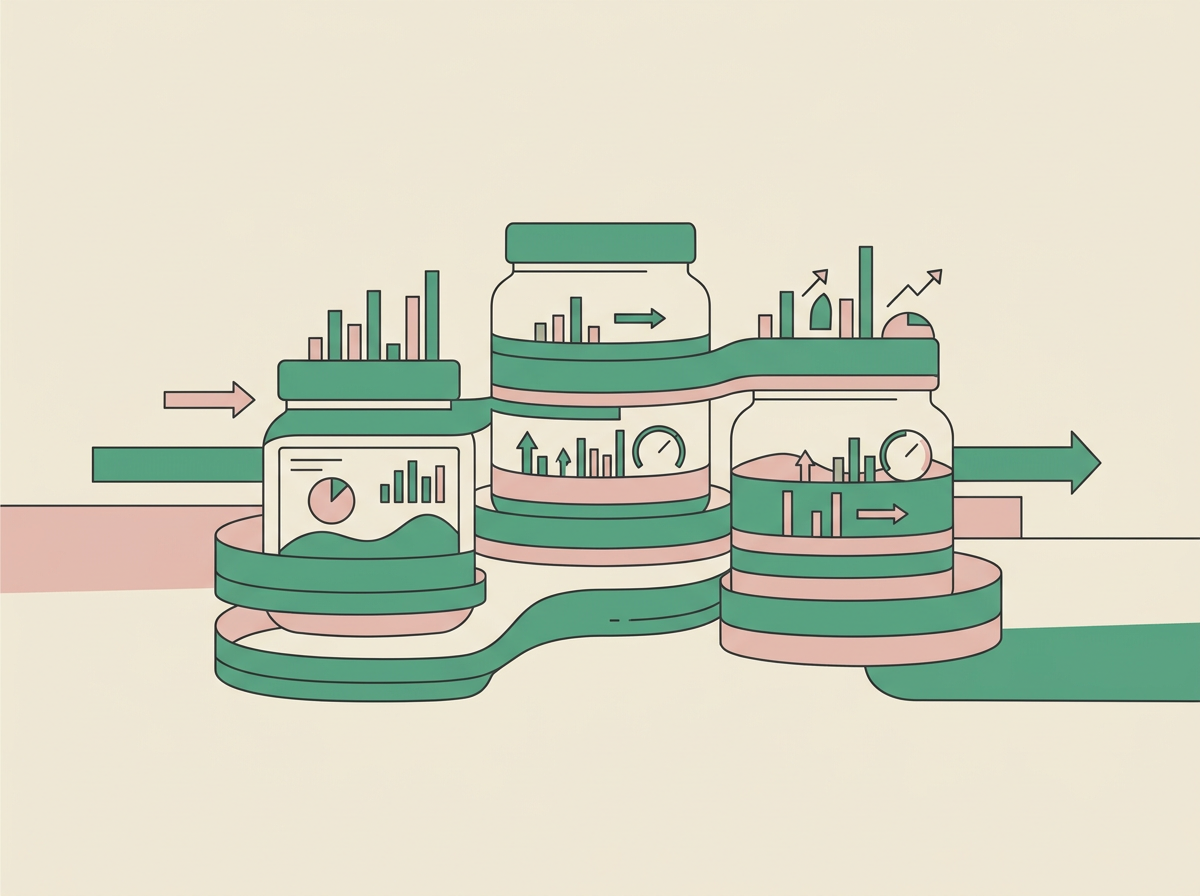
Three minimalist jars of mushroom supplement powders
Testing supplements is notoriously tricky due to the placebo effect. Our protocol is a four-week, single-blind trial within the team. Testers receive two unmarked bottles for two weeks each—one with the mushroom stack, one with a placebo. They log daily scores for focus, energy, and mental clarity. While this isn’t a clinical trial, it helps us filter out the most obvious placebo responses and identify products that have a consistent, discernible effect for a majority of users. We’re also scrutinizing the sourcing and lab reports provided by the brands. Transparency here is non-negotiable for a Codex product listing.
The Studio Concept: Strength and Stillness
The boutique fitness world is finally moving beyond the "go harder, scream louder" ethos that defined the 2010s. We're tracking the rise of hybrid studios that program with longevity and nervous system regulation in mind. One concept we’re currently vetting in London, let's call it "Fortis & Flow," in person is a prime example. Their signature class is a 60-minute session split into two distinct halves. The first 30 minutes are dedicated to compound strength training—squats, deadlifts, presses—with a focus on impeccable form and progressive overload.
The second half is a complete tonal shift. The lights dim, the music changes to ambient soundscapes, and the focus turns to down-regulating the nervous system through mobility work, breathwork, and a guided meditation. The theory is that this trains the body to not only handle stress (the workout) but also to efficiently recover from it, a skill with applications far beyond the gym. Initial visits suggest the coaching quality is exceptionally high, with instructors who are credible in both strength and mindfulness disciplines, a rare combination. Many studios find it easier to recruit on either side of that line, which is where a service like /talent can bridge the gap.
The Coach: Somatic-Informed Performance
On the coaching front, we're seeing a fascinating trend away from purely metric-driven training and towards a more integrated, somatic-informed approach. We’re currently in conversation with several coaches who exemplify this shift. One, a former professional cyclist, now works with executives and amateur athletes, blending traditional performance coaching (think VO2 max tests and power zones) with somatic experiencing techniques to address the psychological barriers to performance.
This isn't just fluffy mindset talk. It’s a structured method for helping clients understand how stress, past trauma, and ingrained beliefs manifest physically and hold back their progress. A client might have a perfect training plan but consistently underperform in races. This coach’s methodology would explore the nervous system’s response to pressure, using breathwork and body awareness exercises to retrain their physiological reaction to competition. It's a prime example of the kind of highly specialized, verified coach we seek to list on Codex. Finding them is the hard part; verifying their efficacy is our core task.
The future of fitness isn't just about training the body. It's about training the nervous system to handle, and recover from, stress.
What this means for you
This behind-the-scenes look at our vetting process is more than just an inventory of what's new. It’s a demonstration of our core promise to you. The wellness world is complex and often misleading. Our goal is to simplify it for you. When you use the Codex intake, the single match you receive—whether it's a coach, a studio, or a product—is the result of this exhaustive work. You're not just getting an algorithmically-generated recommendation; you're getting the distilled insight of countless hours of research and human-led testing.
This commitment to curation means you can spend less time researching and more time making genuine progress. It means you can trust that the studio you book has been visited, the claims of a product have been scrutinized, and the methodology of a coach have been assessed for efficacy and safety. It’s about replacing the anxiety of endless choice with the confidence of a single, well-informed one.
Verdict
The relentless pursuit of "what's next" can be exhausting, but it's essential. Our work is to act as a filter, applying skepticism and rigor so that you don't have to. The items on our testing table today will become the trusted, verified recommendations of tomorrow, ensuring that the Codex platform remains a clear and reliable guide in the ever-evolving landscape of personal wellness.
FAQ
How does Codex choose which products and studios to test?
Our selection is a mix of scouting emerging trends, analyzing industry data, and reviewing submissions from potential partners. Everything is then filtered through an internal committee to decide what warrants a full, hands-on evaluation.
What does it mean for a coach or product to be 'Codex Verified'?
A 'Verified' rating means it has passed our multi-stage vetting process. This includes background checks, credential verification, hands-on testing by our team, and alignment with our standards for efficacy and transparency.
Can I suggest a brand or coach for you to review?
While our editorial testing is conducted independently, we are always open to hearing from innovative brands and coaches through our official partner channels. However, a submission does not guarantee a review.
How long does the testing and verification process take?
The timeline varies significantly by category. A supplement trial might take four to six weeks, while evaluating a new wearable or a coaching methodology can take several months to properly assess its long-term value and consistency.