The heat of mid-July has a way of clarifying things. The frantic energy of the new year is a distant memory, the resolutions long since settled into either quiet habits or forgotten ambitions. This is the long, steady middle of the year, a time not for radical reinvention but for assessment. What’s working? What’s not? It’s a question we ask of our routines, our careers, and our wellbeing. And somewhere in a boardroom in Finland, and in rucking clubs gathering at dawn in California, the wellness industry is asking it, too.
This week, the answers are coming in loud and clear, and they are, as ever, a study in contrasts. The relentless march of biometric data promises to unlock yet another layer of our internal world, while a growing movement seeks to unplug from it entirely. Billion-dollar businesses are consolidating niche markets, betting that what was once a luxury add-on is now essential infrastructure. It’s a snapshot of an industry at a fascinating inflection point, caught between the algorithm and the analogue.
What's happening
The headline act this week belongs to Oura. The Finnish wearable-tech darling, having cornered the market on sleep and readiness, has finally unveiled the Oura Ring 5. The breakthrough feature, whispered about for years, is finally here: passive, non-invasive glucose monitoring. No more continuous glucose monitors (CGMs) with their fortnightly adhesive patches. The ring now promises to correlate blood oxygen, heart rate variability, and new optical sensor data to provide a real-time estimate of blood sugar trends. It’s the holy grail of metabolic health tracking, delivered in their signature minimalist package.
At the other end of the spectrum, a quieter but equally significant trend is gathering steam. Call it the analog backlash. Strava’s Q2 report noted a 40% surge in activities tagged ‘rucking’—essentially, walking with a weighted backpack—and a surprising uptick in participation at local, non-chain martial arts dojos. This dovetails with the booming business of 'digital detox' retreats and a renewed interest in traditional crafts as a form of mindfulness. People seem to be actively seeking out experiences that are embodied, communal, and blissfully free of dashboards.
Connecting these two poles is a major business move from the top end of the market. Equinox announced its acquisition of 'Remedy Labs,' a chain of 40 boutique recovery studios across North America and Europe. The deal signals a strategic shift: rather than treating services like cryotherapy, infrared saunas, and compression therapy as separate appointments, Equinox plans to integrate them into its higher membership tiers. Recovery is no longer a post-workout luxury; it’s being woven into the very fabric of the premium gym experience, a move likely to send ripples through the boutique studio ecosystem.
Why it matters now
These seemingly disparate events chart the maturation of the wellness market. The industry is bifurcating. On one side, technology is enabling a level of personalization and preventative health management that was science fiction a decade ago. Oura's move into glucose monitoring democratizes a key metabolic health metric, moving it from the diabetic community to the performance-obsessed masses. According to the Global Wellness Institute's 2026 forecast, the 'Personalized and Preventative Medicine' sector is on track to grow by 15% year-on-year, faster than any other segment of the $8 trillion wellness economy. Tech is the engine of that growth.
Simultaneously, this data-rich environment creates its own form of fatigue. The analog backlash isn't Luddism; it's a strategic retreat. It’s a recognition that while data can inform, it cannot replace the felt sense of wellbeing. The rise of rucking isn't just about fitness; it's about simplicity, nature, and a tangible sense of effort. This reflects a deeper consumer desire for authenticity and community, things an app struggles to provide. The industry is realizing that for every customer optimizing their HRV, there's another who just wants to go for a long walk with friends and leave their phone at home.
The paradox of modern wellness: the more data we have on our bodies, the stronger the urge to simply disconnect and walk outside.
The Edit
The landscape is shifting. Here’s a closer look at the key moments defining wellness in mid-2026, and what they signal for the road ahead.
The Grail Quest: Oura 5 Signals Blood Sugar
For years, the promise of non-invasive blood sugar tracking has been the wearable industry's white whale. With the Oura Ring 5, it appears to have finally been breached. While the company is careful to brand it as 'Glucose Trend Indication' and not a medical-grade diagnostic tool, the implications are vast. By correlating optical sensor data with movement and sleep patterns, the ring offers users a dynamic picture of their metabolic response to food, exercise, and stress. It’s a game-changer for athletes dialing in nutrition, for biohackers seeking to optimize longevity, and, crucially, for the vast population of pre-diabetics who can now get early, actionable feedback without a single needle. It solidifies the wearable as a serious preventative health device.
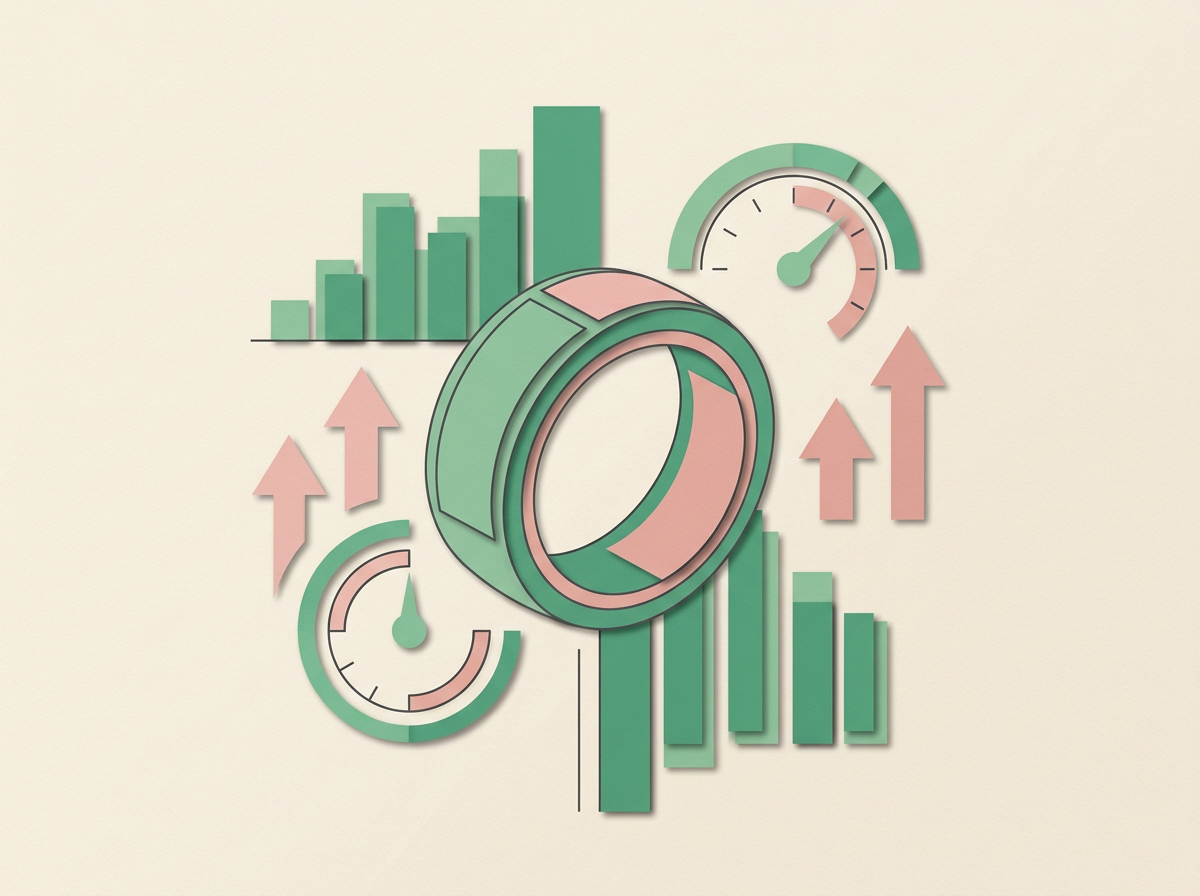
a minimalist render of the new Oura Ring 5
Verdict: A major leap forward in personalized health, moving wearables from trackers to true preventative tools. For: The data-driven athlete, the metabolically curious, anyone looking to understand the impact of lifestyle on their long-term health. Price Band: Likely a premium of €100-150 over the previous generation, plus subscription.
The Consolidation: Equinox Bets on Recovery
The acquisition of Remedy Labs is more than just a business transaction; it’s a statement of intent. Recovery is officially a pillar of mainstream fitness, not a niche service. For years, boutique studios specializing in cryotherapy, infrared saunas, and pneumatic compression have thrived by unbundling services from big-box gyms. Now, Equinox is bundling them back in. This validates the entire recovery market but also poses an existential threat to smaller players. Why pay per session for an ice bath when it’s included in your premium gym membership? It forces boutiques to differentiate further, perhaps through more specialized coaching or community events. As the chart below suggests, recovery has been the fastest-growing boutique segment, and the giants have taken notice.
Verdict: A strategic masterstroke that redefines the value proposition of a high-end gym. For: Equinox members and anyone watching the business of fitness. Impact: Increased competition for boutique recovery studios, greater consumer access to advanced recovery tools.
The Backlash: Analog Summer
There is a tangible yearning for simplicity. The 'Analog Wellness' movement is a quiet, decentralized response to the quantified self. It’s found in the growing popularity of rucking clubs, the waiting lists for silent retreats, and the simple pleasure of a beautifully crafted wooden parallette bar over a connected fitness machine. It’s less about peak performance and more about presence and process. This isn’t a rejection of technology, but a rebalancing. It prioritizes community, nature, and single-tasking. It suggests that wellness is not just a problem to be solved with data, but an experience to be lived. Strava’s report is numerical proof of a non-numerical desire: the simple, profound act of putting one foot in front of the other, preferably outside.
Verdict: A necessary and welcome counterbalance to the data-obsessed wellness narrative. For: Anyone feeling overwhelmed by dashboards, notifications, and the pressure to optimize. How to start: Find a local hiking group. Leave your phone in a locker during your workout. Buy a notebook.
Big wellness is buying up the niches, betting that a cold plunge and a sense of community are no longer features, but the entire product.
What this means for you
Navigating this evolving landscape can feel like a full-time job. One device tells you to optimize your deep sleep, while a podcast extols the virtues of simply being. A gym membership now includes services that once required a separate booking across town. It’s easy to get lost in the noise, chasing the latest trend or technology without a clear sense of your own goals. The flurry of options—more data, less data, new recovery tools, ancient practices—underscores a timeless truth: the most effective wellness tool is intention.
This is where curation and professional guidance become invaluable. Before investing in the latest ring or a 10-pack of cryotherapy sessions, the most important step is clarifying what you're trying to achieve. Is your goal performance, longevity, stress reduction, or aesthetic? The Codex intake is designed for this exact purpose—to cut through the hype and match you with a validated path. That path might lead to a verified coach who can build a program that integrates new data streams effectively, or to a boutique studio that offers the specific analog community you're craving. It filters the global trends down to your personal truth, connecting you to the right people and products without the guesswork.
Verdict
The state of wellness in mid-2026 is a fascinating dialogue between the hyper-personalization of technology and the fundamental human need for simplicity and connection. The industry is expanding in both directions at once. The most successful path forward, for both businesses and individuals, will likely not be about choosing a side, but about artfully blending the best of both worlds: using data to inform, but not dictate, a life of intentional and embodied wellbeing.
FAQ
What is non-invasive glucose monitoring in a wearable?
It's a method of estimating blood sugar trends without piercing the skin. Devices like the new Oura Ring use optical sensors to detect changes in the blood and interstitial fluid, then correlate that data with other biometrics to provide a picture of your metabolic response to lifestyle factors.
What is 'analog wellness'?
Analog wellness is a counter-trend to the data-heavy, tech-focused 'quantified self' movement. It prioritizes simple, embodied, and often communal activities like hiking, rucking, traditional crafts, or working out without connected devices to foster presence and reduce digital fatigue.
Why are big gyms like Equinox buying recovery studios?
They see recovery as the next frontier for member retention and value. By integrating services like cryotherapy and infrared saunas into memberships, they make their offering more comprehensive, creating a 'one-stop-shop' for fitness and wellbeing that standalone boutiques will find difficult to compete with.
Is the new Oura Ring a replacement for a medical CGM?
No. The company positions it as a 'Glucose Trend Indication' tool for wellness and lifestyle purposes, not a medical-grade diagnostic device. It's for helping athletically or health-conscious individuals understand patterns, but anyone with a medical condition like diabetes should continue to use prescribed medical devices.