Last Tuesday, over lunch, a friend’s watch buzzed. Not with a message, but with a quiet, judgmental pulse. He glanced down. “My glucose spiked,” he said, pushing a piece of sourdough to the side. “The AI says I should have had the salad.” There was no hint of irony; this was just a fact of his life now, a dietary course-correction delivered by an algorithm that knew his metabolic response to gluten better than he did.
Later that evening, scrolling through a certain social feed, pictures emerged from a new kind of club. No weights, no treadmills. Just bodies submerged in ice baths, groups relaxing in the orange glow of an infrared sauna, and others gathered in a dimly lit lounge drinking mushroom tea. It looked less like a gym and more like a secular, well-hydrated megachurch. Two moments, one day. Both pointing to where the business of being well is headed next.
What's happening
This week, the wellness landscape feels particularly schizoid, split between two powerful, opposing forces: hyper-personal, data-driven solitude and analogue, community-centric experience. It seems for every tech innovation designed to turn our body into a dashboard of one, there’s a brick-and-mortar concept opening its doors to remind us we are not alone.
The most significant, if quietest, shift has been the platform-level integration of AI metabolic coaching. After years of fringe biohackers using continuous glucose monitors (CGMs), the feature has finally gone mainstream. Embedded within the native health apps of our dominant operating systems, these new tools sync CGM data with activity levels, sleep quality, and even your calendar to deliver real-time nutritional guidance. It has moved from a niche diagnostic tool for diabetics to a mass-market lifestyle-optimization engine. Your phone is now a nutritionist, and it’s always on duty.
Simultaneously, the concept of “Social Recovery” has reached a commercial tipping point. Where boutique fitness studios once sold the intensity of the workout, a new breed of wellness club is selling the restorative power of the cooldown. These spaces bundle together saunas, cold plunges, compression boots, and meditation pods under a single membership, but their real product is community. They are third spaces designed for unwinding, not grinding, turning the solitary act of recovery into a shared social ritual. They’re betting that after a decade of optimizing our performance, we’re finally ready to optimize our rest—and that we’d rather do it with friends.
Why it matters now
These trends aren’t appearing in a vacuum. They are direct responses to the cultural and technological shifts of the past few years. The Global Wellness Institute (GWI) has consistently flagged personalization and community as two of the most powerful drivers in the multi-trillion-dollar wellness economy. What we're seeing in mid-2026 is the market finally catching up in sophisticated, and slightly dystopian, ways. The rise of AI coaching is the logical endpoint of the quantified-self movement, promising a level of personalization previously available only to elite athletes. It’s a compelling offer: a world without dietary guesswork, where every meal is optimized for peak performance and longevity.
The concurrent boom in social recovery spaces is a clear pushback against an increasingly digitized, atomized existence. The ACSM’s own trend reports have noted a resurgence in interest in community-based and outdoor activities post-2020. These new clubs are capitalizing on that desire for connection, creating purposeful, programmed environments for something we all used to do informally: hang out. By packaging rest and recovery as a premium, social experience, they are giving people a reason to leave their app-managed homes and connect with other humans, skin-to-skin (or at least towel-to-towel).
Your body keeps the score, but now your phone does too, and it’s sending you push notifications about it.
The Trends
The Automated Nutritionist in Your Pocket
The integration of AI metabolic coaching into major tech ecosystems is a paradigm shift. Previously, you needed multiple devices and apps—a CGM from one company, a food logger from another, a fitness tracker—and the expertise to synthesize the data. Now, it’s a unified, passive experience. You eat, you live, and the AI handles the rest, serving up insights like, “Your sleep was poor last night; prioritize protein and avoid caffeine after 2 p.m. to stabilize your energy,” or the aforementioned bread-shaming.
On the surface, it’s brilliant. The system learns your unique metabolic response to food, stress, and exercise, creating a feedback loop that promises to eliminate dietary confusion. Early adopters are reporting significant improvements in energy levels, body composition, and even mental clarity. But the undertones are complex. It outsources bodily intuition to a machine, risking a new flavour of digital-first orthorexia. For every user who feels empowered, another might feel imprisoned by the constant stream of data and behavioral directives. This is the ultimate expression of wellness as an optimization problem, and we are the systems being optimized.
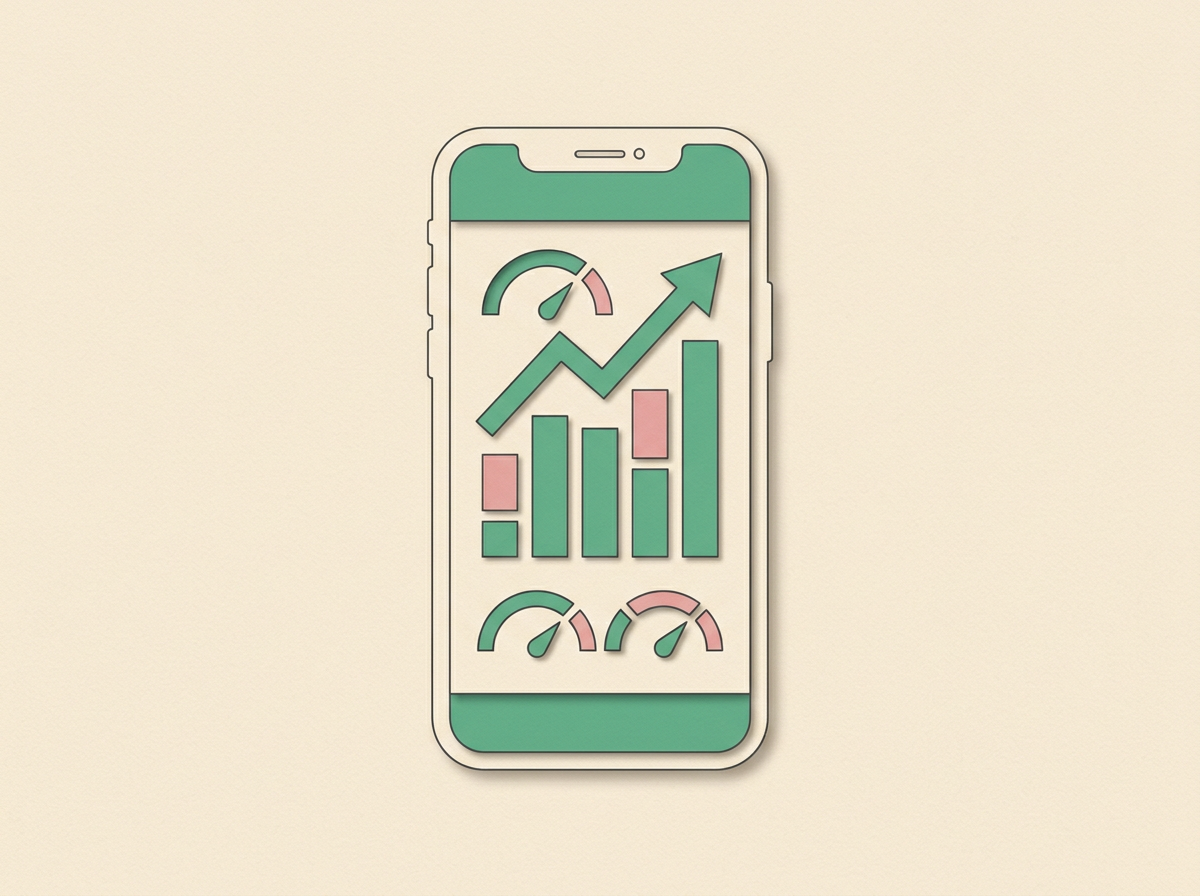
Smartphone UI showing clean metabolic score chart
Who is it for? The data-obsessed, the performance-driven, and anyone tired of one-size-fits-all dietary advice. Verdict: A profoundly powerful tool that could be life-changing for some and anxiety-inducing for others. Proceed with self-awareness.
From Workout to Hangout: The Social Recovery Club
The archetypal social recovery club—let’s call it ‘Remedy House’ or ‘The Commons’—looks different. The aesthetic is soft, organic, and built for comfort. Inside, you won't find a single barbell. The primary amenities are a large, wood-panelled sauna, a series of individual and group cold plunge pools, a quiet room with zero-gravity chairs and compression boots, and a lounge serving adaptogenic drinks. The “classes” are not HIIT sessions but guided breathwork, communal stretching, or group sound baths.
Their business model is also different. While drop-ins are available, the focus is on membership, fostering a club-like atmosphere. The goal is for members to know each other, to look forward to the post-plunge chat as much as the plunge itself. This represents a significant evolution in the boutique studio model, which historically prioritized throughput and intensity over community. As the data shows, this niche is growing at a pace that is starting to concern traditional gym operators who are still primarily focused on the workout floor.
Who is it for? The fitness enthusiast looking for smarter recovery, the perpetually stressed looking for a secular sanctuary, and anyone craving community beyond the bar or an online forum. Verdict: A welcome, human-centric addition to the wellness landscape that correctly identifies connection as a core human need.
Feeling Your Way to Focus: Haptics in Meditation
The final interesting signal this week comes from the digital mindfulness space. For years, meditation apps have relied solely on audio cues to guide users. A new wave of apps and integrated wearables are now using haptic feedback—subtle, patterned vibrations—to guide the breath and anchor attention. A gentle pulse on the wrist cues an inhale, a softer, longer vibration for the exhale. Some devices designed to be worn on the torso can even mimic the expansion and contraction of the diaphragm.
The idea is to make meditation less of a cognitive exercise and more of a somatic one. By giving the user a physical sensation to focus on, it offloads the mental work of counting breaths or following a guided voice, which can be a significant barrier for beginners or those with particularly busy minds. It’s a clever way to use technology to foster embodiment, rather than dissociation. Products like the fictional 'Aura Band' are leading this charge, moving wearables from tracking devices to training tools.
Who is it for? Restless sleepers, meditation skeptics, and anyone who finds guided audio distracting or insufficient. Verdict: A genuinely innovative step for digital wellness that uses tech to get you out of your head and into your body.
Wellness is finally logging off the spreadsheet and logging into the real world, even if it took an app to get us there.
What this means for you
Navigating this new landscape requires a healthy dose of self-awareness. The promise of an AI that knows your body better than you do is alluring, but it’s no substitute for the embodied wisdom that comes from listening to your own signals. If the data from your new app feels overwhelming or contradictory to how you feel, it might be time to bring in a human perspective. The right certified coach can help you interpret the numbers and build a sustainable practice that makes sense for your life, not just for the algorithm.
Similarly, while the rise of social recovery clubs is a positive development, not every new studio will be the right fit. The key is to find spaces that align with your personal goals and resonate with your sense of community. Instead of chasing the latest trend or the most popular spot, consider using a more thoughtful discovery process. The Codex intake is designed for this very purpose—to cut through the noise and match you with a single, vetted option that suits your unique needs, whether that’s a coach, a class, or a community. The best wellness plan is the one that blends the best of both worlds: harnessing useful data from new products while investing time in real-world connection and experience.
Verdict
This week, the future of wellness feels both exciting and cautionary. We're gaining unprecedented tools for self-knowledge and new spaces for communal healing. The challenge is to use the technology without letting it use us, and to seek out community with intention. The key, as always, is balance—finding the right blend of data and day-to-day living, of solitude and society.
FAQ
What is AI metabolic coaching?
AI metabolic coaching uses data from a continuous glucose monitor (CGM) and other wearables to provide real-time, personalized advice on nutrition, exercise, and lifestyle to optimize your metabolic health, energy levels, and body composition.
What is a social recovery studio?
It's a wellness club focused on communal restorative practices rather than intense workouts. These studios offer amenities like infrared saunas, cold plunges, compression therapy, and meditation lounges within a membership-based, community-focused environment.
How does haptic feedback work for meditation?
Wearable devices or accessories use subtle, patterned vibrations to guide your breath—for instance, one pattern for an inhale and another for an exhale. This provides a physical anchor for your attention, which can make it easier to stay focused than using audio cues alone.
Are these new AI health features safe to use?
While the technology itself is generally safe, the psychological impact can vary. It can be a powerful tool for understanding your body, but some users may find the constant data monitoring stressful. It's best used as a guide, not a dictator, ideally with input from a qualified health professional.